


- Retrait en 2 heures
- Assortiment impressionnant
- Paiement sécurisé
- Toujours un magasin près de chez vous
- Retrait en 2 heures
- Assortiment impressionnant
- Paiement sécurisé
- Toujours un magasin près de chez vous



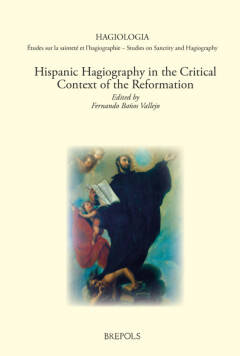
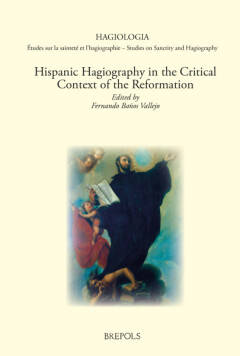
Hispanic Hagiography in the Critical Context of the Reformation
Fernando Baños Vallejo
100,70 €
+ 201 points
Description
The sixteenth century was the time of greatest religious effervescence in Europe, in which the critical positions with the Catholic Church tensed until the break between Christians, the consequent persecutions and wars between Protestants and Catholics; a conflict of such magnitude that it defines the Modern Age. Part of the controversy is related to the cult of the saints, since from 1523 Luther denied the mediating role of the saints and repudiated what he considered excesses in their devotions. The studies presented in this volume study the impact of the religious Reformation on hagiography in the Hispanic sphere, check how theological positions and controversy were projected onto literature, and how it collected them, explicitly or implicitly. Obviously, the Catholic Church reaffirmed the hagiographic tradition, but what we try to clarify is to what extent hagiographic literature, specifically Hispanic literature, was affected by reformist approaches. So this book deals with issues less evident and hitherto neglected, for example: Hispanic Catholic authorities and authors, influenced by the denunciations about the excesses of the cult of saints and hagiographic fables, declared the purification of the apocryphal in the lives of saints; in practice, however, they stumbled over the difficulty of applying theoretical criteria to a huge subject, and ended up falling into some contradictions between such criteria and their commitment to the hagiographic tradition, which they even wanted to expand and update. This is shown by the studies gathered here in the fields of hagiographic prose in Catalan, Portuguese and Spanish, in Iberia and in America, without neglecting the dissemination that the theatre made of the legends of saints.
Spécifications
Parties prenantes
- Auteur(s) :
- Editeur:
Contenu
- Nombre de pages :
- 267
- Langue:
- Anglais
- Collection :
- Tome:
- n° 19
Caractéristiques
- EAN:
- 9782503602127
- Date de parution :
- 31-03-23
- Format:
- Livre relié
- Format numérique:
- Genaaid
- Poids :
- 5438 g


Seulement chez Librairie Club
+ 201 points sur votre carte client de Librairie Club
Cadeau


Les avis
Nous publions uniquement les avis qui respectent les conditions requises. Consultez nos conditions pour les avis.