


- Retrait en 2 heures
- Assortiment impressionnant
- Paiement sécurisé
- Toujours un magasin près de chez vous
- Retrait en 2 heures
- Assortiment impressionnant
- Paiement sécurisé
- Toujours un magasin près de chez vous



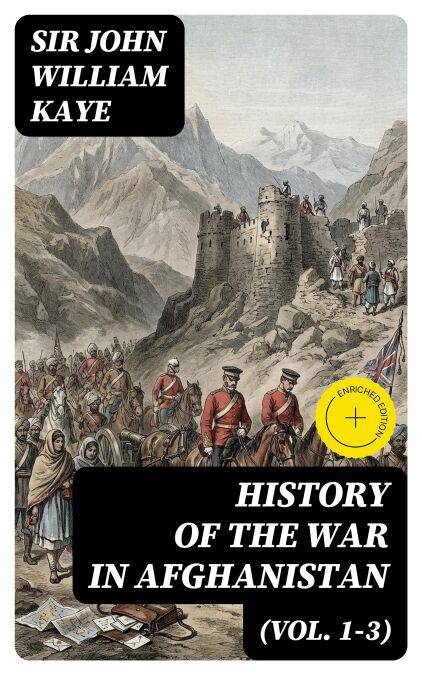
History of the War in Afghanistan (Vol. 1-3) EBOOK
Enriched edition. Complete Edition
Sir John William Kaye
Ebook | Anglais
0,49 €
Format
Description
Sir John William Kaye's "History of the War in Afghanistan" (Volumes 1-3) presents a meticulously detailed account of the First Anglo-Afghan War (1839-1842), showcasing Kaye's prowess in combining narrative history with analysis. Delving into the intricate socio-political dynamics of 19th-century Afghanistan, Kaye critiques British imperial strategies while drawing on extensive firsthand reports, letters, and government documents, thus situating his work within the burgeoning field of diplomatic and military history. His literary style oscillates between an engaging narrative and a reflective analysis, seamlessly weaving the complexity of military conflict with the human stories that unfold within it. Sir John William Kaye, a British soldier, historian, and writer with deep connections to India, was profoundly influenced by his experiences during the British Raj. His firsthand knowledge of the region and its people, coupled with his upbringing in a military family, equipped him with unique insights into the geopolitical repercussions of colonialism. Kaye's objective was not merely to chronicle events but to understand the multifaceted cultural and historical contexts that shaped them, which informs the depth and nuance of his historical narrative. This book is an essential read for anyone interested in military history, British imperialism, or Afghan studies, as it provides a comprehensive examination of an often-overlooked conflict with lasting implications. Kaye's work stands as a pivotal contribution to historical literature, encouraging readers to grapple with the complexities of cultural encounters and the ramifications of imperial ambition.
In this enriched edition, we have carefully created added value for your reading experience:
- A succinct Introduction situates the work's timeless appeal and themes.
- The Synopsis outlines the central plot, highlighting key developments without spoiling critical twists.
- A detailed Historical Context immerses you in the era's events and influences that shaped the writing.
- A thorough Analysis dissects symbols, motifs, and character arcs to unearth underlying meanings.
- Reflection questions prompt you to engage personally with the work's messages, connecting them to modern life.
- Hand‐picked Memorable Quotes shine a spotlight on moments of literary brilliance.
- Interactive footnotes clarify unusual references, historical allusions, and archaic phrases for an effortless, more informed read.
In this enriched edition, we have carefully created added value for your reading experience:
- A succinct Introduction situates the work's timeless appeal and themes.
- The Synopsis outlines the central plot, highlighting key developments without spoiling critical twists.
- A detailed Historical Context immerses you in the era's events and influences that shaped the writing.
- A thorough Analysis dissects symbols, motifs, and character arcs to unearth underlying meanings.
- Reflection questions prompt you to engage personally with the work's messages, connecting them to modern life.
- Hand‐picked Memorable Quotes shine a spotlight on moments of literary brilliance.
- Interactive footnotes clarify unusual references, historical allusions, and archaic phrases for an effortless, more informed read.
Spécifications
Parties prenantes
- Auteur(s) :
- Editeur:
Contenu
- Nombre de pages :
- 1175
- Langue:
- Anglais
Caractéristiques
- EAN:
- 8596547724148
- Date de parution :
- 15-11-23
- Format:
- Ebook
- Protection digitale:
- Digital watermarking
- Format numérique:
- ePub



Seulement chez Librairie Club
Cadeau


Les avis
Nous publions uniquement les avis qui respectent les conditions requises. Consultez nos conditions pour les avis.