


- Retrait en 2 heures
- Assortiment impressionnant
- Paiement sécurisé
- Toujours un magasin près de chez vous
- Retrait en 2 heures
- Assortiment impressionnant
- Paiement sécurisé
- Toujours un magasin près de chez vous



21,24 €
+ 21 points
Description
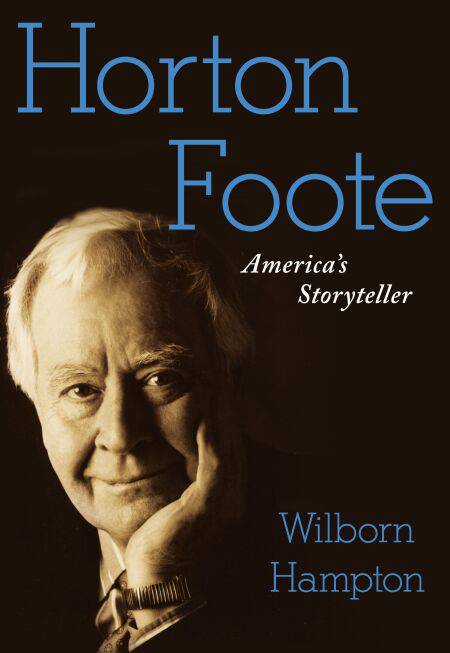
No playwright in the history of the American theater has captured the soul of the nation more incisively than Horton Foote.
From his Pulitzer Prize-winning play, The Young Man From Atlanta, to his film adaptation of To Kill a Mockingbird, which received an Oscar, millions of people have been touched by Foote's work. He has long been regarded by other playwrights and screenwriters, actors, and cognoscenti of the theater and cinema as America's master storyteller; critics compared him to William Faulkner and Anton Chekhov. Yet Horton Foote's compelling character and rich life remain largely unknown to the general public. His is the story of an artist who refused to compromise his talents for the sake of fame or money, or just to keep working -- who insisted on writing what he regarded as truth, even when for many years almost no one would listen.
In the first comprehensive biography of this remarkable writer, Wilborn Hampton introduces Foote to countless Americans who have admired his work. Hampton, a theater critic for The New York Times, offers a colorful, compulsively readable account of a life and career that spanned seven decades.
As a child in the small town of Wharton, Texas, Foote's favorite pastime was to listen to the stories his elders told -- about themselves, their families, their neighbors -- around the dinner table or sitting on the front porch. As he once explained: "One thing I was given in life is a deep desire to listen. I've spent my life listening. These stories have haunted me all my life." The stories also served as an inspiration for Foote's life work as he chronicled America's wistful odyssey through the twentieth century, mostly from the perspective of a small town in Texas. Beginning in the Golden Age of Television with dramas such as The Trip to Bountiful, through Broadway and Off-Broadway successes, to the mark he made in films such as Tender Mercies, and right up through a staging of his complete nine-play opus The Orphans' Home Cycle, he documented the struggle of ordinary people to maintain their dignity in the face of hardship and change that the erosion of time inevitably brings. It is a theme Horton Foote lived. Yet the paradox that shines through his work is that while the externals of life alter over the years -- wealth may be gained or squandered, love may be won or lost, friends and relations die -- people themselves do not.
Like Eugene O'Neill, Arthur Miller, and Tennessee Williams, Horton Foote's portraits of American life are iconic and true. His stories have helped shape the way Americans see themselves -- indeed, they have become part of the nation's psyche, and they will speak to many generations to come.
From his Pulitzer Prize-winning play, The Young Man From Atlanta, to his film adaptation of To Kill a Mockingbird, which received an Oscar, millions of people have been touched by Foote's work. He has long been regarded by other playwrights and screenwriters, actors, and cognoscenti of the theater and cinema as America's master storyteller; critics compared him to William Faulkner and Anton Chekhov. Yet Horton Foote's compelling character and rich life remain largely unknown to the general public. His is the story of an artist who refused to compromise his talents for the sake of fame or money, or just to keep working -- who insisted on writing what he regarded as truth, even when for many years almost no one would listen.
In the first comprehensive biography of this remarkable writer, Wilborn Hampton introduces Foote to countless Americans who have admired his work. Hampton, a theater critic for The New York Times, offers a colorful, compulsively readable account of a life and career that spanned seven decades.
As a child in the small town of Wharton, Texas, Foote's favorite pastime was to listen to the stories his elders told -- about themselves, their families, their neighbors -- around the dinner table or sitting on the front porch. As he once explained: "One thing I was given in life is a deep desire to listen. I've spent my life listening. These stories have haunted me all my life." The stories also served as an inspiration for Foote's life work as he chronicled America's wistful odyssey through the twentieth century, mostly from the perspective of a small town in Texas. Beginning in the Golden Age of Television with dramas such as The Trip to Bountiful, through Broadway and Off-Broadway successes, to the mark he made in films such as Tender Mercies, and right up through a staging of his complete nine-play opus The Orphans' Home Cycle, he documented the struggle of ordinary people to maintain their dignity in the face of hardship and change that the erosion of time inevitably brings. It is a theme Horton Foote lived. Yet the paradox that shines through his work is that while the externals of life alter over the years -- wealth may be gained or squandered, love may be won or lost, friends and relations die -- people themselves do not.
Like Eugene O'Neill, Arthur Miller, and Tennessee Williams, Horton Foote's portraits of American life are iconic and true. His stories have helped shape the way Americans see themselves -- indeed, they have become part of the nation's psyche, and they will speak to many generations to come.
Spécifications
Parties prenantes
- Auteur(s) :
- Editeur:
Contenu
- Nombre de pages :
- 304
- Langue:
- Anglais
Caractéristiques
- EAN:
- 9781416566915
- Date de parution :
- 07-09-09
- Format:
- Ebook
- Protection digitale:
- Adobe DRM
- Format numérique:
- ePub


Seulement chez Librairie Club
+ 21 points sur votre carte client de Librairie Club
Cadeau


Les avis
Nous publions uniquement les avis qui respectent les conditions requises. Consultez nos conditions pour les avis.