


En raison d'une grève chez bpost, des retards de livraison peuvent survenir. Besoin de quelque chose en urgence ? Optez pour un retrait en magasin ou rendez-vous dans une Librairie Club à proximité.
- Retrait en 2 heures
- Assortiment impressionnant
- Paiement sécurisé
- Toujours un magasin près de chez vous
En raison d'une grève chez bpost, des retards de livraison peuvent survenir. Besoin de quelque chose en urgence ? Optez pour un retrait en magasin ou rendez-vous dans une Librairie Club à proximité.
- Retrait en 2 heures
- Assortiment impressionnant
- Paiement sécurisé
- Toujours un magasin près de chez vous



Description
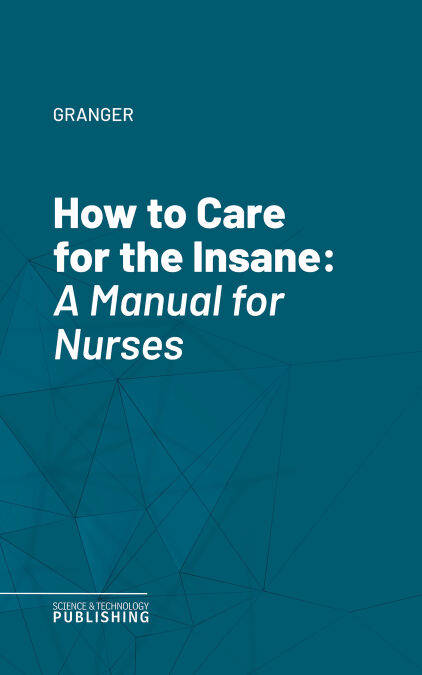
How to Care for the Insane: A Manual for Nurses is a comprehensive and practical guide originally published in the late 19th century, designed to instruct nurses and caregivers in the specialized care of individuals with mental illness. Written by William D. Granger, M.D., this manual draws upon the author’s extensive experience in asylums and mental health institutions, offering clear, compassionate, and methodical advice for those entrusted with the well-being of the insane. The book covers a wide range of topics essential for the effective care of mentally ill patients. It begins with an overview of the general principles of nursing, emphasizing the importance of patience, kindness, and understanding in dealing with those suffering from mental disorders. The manual provides detailed instructions on daily routines, including bathing, feeding, clothing, and maintaining personal hygiene, all tailored to the unique needs and challenges presented by patients with mental illness. Granger addresses the management of various types of insanity, from acute mania to melancholia, and offers practical solutions for handling difficult behaviors, such as violence, destructiveness, and suicidal tendencies. The book also discusses the importance of observation and record-keeping, teaching nurses how to recognize changes in a patient’s condition and report them accurately to physicians. Special attention is given to the physical environment, with advice on creating safe, comfortable, and therapeutic surroundings. The manual outlines the use of restraints and seclusion, advocating for their minimal and humane application, and stresses the significance of moral treatment and the avoidance of unnecessary harshness or punishment. Throughout, How to Care for the Insane underscores the dignity and humanity of the patients, urging nurses to treat them with respect and empathy. The book also includes guidance on the nurse’s own conduct, health, and emotional resilience, recognizing the demanding nature of the work. Rich in historical context and practical wisdom, this manual remains a valuable resource for those interested in the history of psychiatric care, nursing, and the evolution of mental health treatment. It offers a window into the challenges and philosophies of mental health care in the late 19th century, while its core messages of compassion and professionalism continue to resonate today.
Spécifications
Parties prenantes
- Auteur(s) :
- Editeur:
Contenu
- Langue:
- Anglais
Caractéristiques
- EAN:
- 9782528107768
- Date de parution :
- 31-08-25
- Format:
- Ebook
- Protection digitale:
- /
- Format numérique:
- ePub


Seulement chez Librairie Club
+ 19 points sur votre carte client de Librairie Club
Cadeau


Les avis
Nous publions uniquement les avis qui respectent les conditions requises. Consultez nos conditions pour les avis.