


- Retrait en 2 heures
- Assortiment impressionnant
- Paiement sécurisé
- Toujours un magasin près de chez vous
- Retrait en 2 heures
- Assortiment impressionnant
- Paiement sécurisé
- Toujours un magasin près de chez vous



19,99 €
+ 19 points
Description
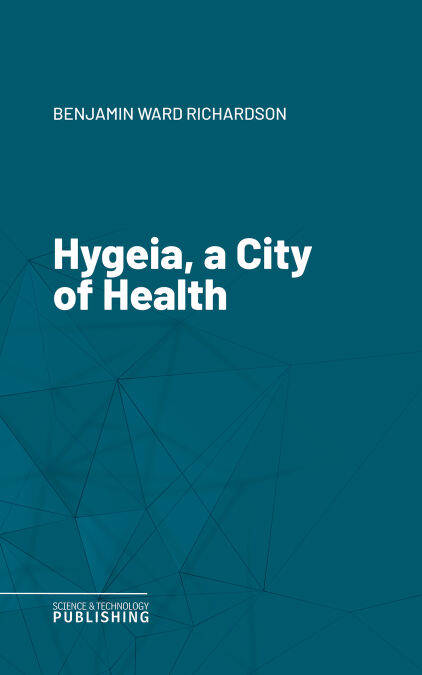
Hygeia, a City of Health by Benjamin Ward Richardson is a visionary work first published in 1876, presenting a detailed and imaginative exploration of an ideal city designed entirely around the principles of public health and well-being. In this pioneering text, Richardson, a renowned British physician and social reformer, constructs a fictional city named Hygeia, where every aspect of urban life—from architecture and sanitation to education and recreation—is meticulously planned to promote the physical, mental, and social health of its inhabitants. The book unfolds as a guided tour through Hygeia, offering readers a vivid and comprehensive look at its innovative infrastructure. Richardson describes wide, tree-lined streets free from dust and pollution, houses built with materials that ensure cleanliness and ventilation, and a sophisticated system of waste disposal and water supply that eliminates the dangers of disease. Hospitals, schools, and public spaces are thoughtfully integrated into the city’s layout, reflecting a holistic approach to health that encompasses prevention, treatment, and education. Richardson’s narrative delves into the daily lives of Hygeia’s citizens, illustrating how their routines, diets, and leisure activities are shaped by the city’s health-centric design. He emphasizes the importance of exercise, fresh air, and nutritious food, and envisions a society where medical care is accessible to all and public health is a shared responsibility. The book also addresses broader social issues, advocating for temperance, the reduction of poverty, and the promotion of scientific knowledge. Hygeia, a City of Health stands as a remarkable blend of science, social commentary, and utopian fiction. It anticipates many modern concepts in urban planning and public health, making it a significant and influential work in the history of social reform. Through its detailed and optimistic portrayal of a healthier future, Richardson’s book continues to inspire readers to imagine and strive for cities that nurture the well-being of all their residents.
Spécifications
Parties prenantes
- Auteur(s) :
- Editeur:
Contenu
- Langue:
- Anglais
Caractéristiques
- EAN:
- 9782528101384
- Date de parution :
- 31-08-25
- Format:
- Ebook
- Protection digitale:
- /
- Format numérique:
- ePub


Seulement chez Librairie Club
+ 19 points sur votre carte client de Librairie Club
Cadeau


Les avis
Nous publions uniquement les avis qui respectent les conditions requises. Consultez nos conditions pour les avis.