


- Retrait en 2 heures
- Assortiment impressionnant
- Paiement sécurisé
- Toujours un magasin près de chez vous
- Retrait en 2 heures
- Assortiment impressionnant
- Paiement sécurisé
- Toujours un magasin près de chez vous



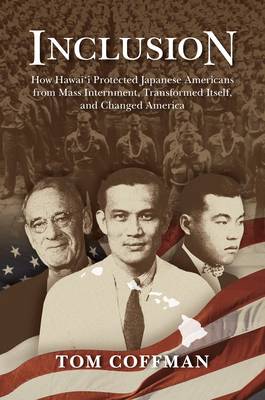
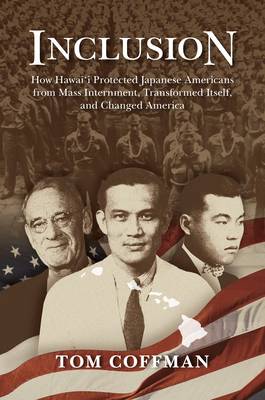
Inclusion
How Hawai'i Protected Japanese Americans from Mass Internment, Transformed Itself, and Changed America
Tom Coffman
Livre relié | Anglais
122,45 €
+ 244 points
Description
Following December 7, 1941, the United States government interned 120,000 people of Japanese ancestry evicted from scattered settlements throughout the West Coast states, yet why was a much larger number concentrated in the Hawaiian Islands war zone not similarly incarcerated?
At the root of the story is an inclusive community that worked from the ground up to protect an embattled segment of its population. While the onset of World War II surprised the American public, war with Japan arrived in Hawai'i in slow motion. Responding to numerous signs of impending conflict, the Council for Interracial Unity mapped two goals: minimize internment and maximize inclusion in the war effort. The council's aspirational work was expressed in a widely repeated saying: "How we get along during the war will determine how we get along when the war is over." The Army Command of Hawai'i, reassured by firsthand acquaintances, came to believe that "trust breeds trust." Where most histories have shielded President Franklin D. Roosevelt from direct responsibility for the U.S. mainland internment, his relentless demands for a mass removal from Hawai'i--ultimately thwarted--reveal him as author and actor. In making sense of the disparity between Island and mainland, Inclusion unravels the deep history of the U.S. "sabotage psychosis," dissecting why many continental Americans still believe Japan succeeded at Pearl Harbor because of the unseen hand of Japanese saboteurs. Contrary to the explanation of hysteria as the cause of the internment, Inclusion documents how a high-level plan of mass removal actually was pitched to Hawai'i prior to December 7, only to be rejected.Spécifications
Parties prenantes
- Auteur(s) :
- Editeur:
Contenu
- Nombre de pages :
- 384
- Langue:
- Anglais
Caractéristiques
- EAN:
- 9780824888541
- Date de parution :
- 31-10-21
- Format:
- Livre relié
- Format numérique:
- Genaaid
- Dimensions :
- 152 mm x 231 mm
- Poids :
- 725 g


Seulement chez Librairie Club
+ 244 points sur votre carte client de Librairie Club
Cadeau


Les avis
Nous publions uniquement les avis qui respectent les conditions requises. Consultez nos conditions pour les avis.