


- Retrait en 2 heures
- Assortiment impressionnant
- Paiement sécurisé
- Toujours un magasin près de chez vous
- Retrait en 2 heures
- Assortiment impressionnant
- Paiement sécurisé
- Toujours un magasin près de chez vous



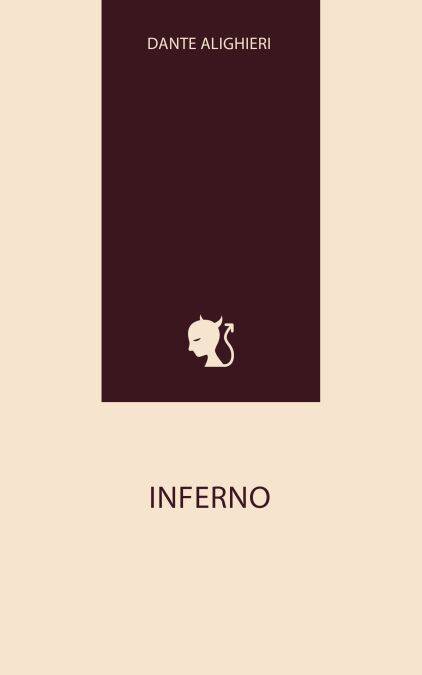
Description
Inferno, the first part of Dante Alighieri's monumental epic poem The Divine Comedy, is one of the most powerful and enduring works in world literature. Written in the early fourteenth century, this visionary masterpiece takes readers on a harrowing journey through the depths of Hell—an imaginative and moral landscape that has shaped Western thought, art, and spirituality for centuries.
The poem begins with Dante, lost in a dark forest, symbolizing spiritual confusion and moral crisis. Guided by the Roman poet Virgil, he descends through the nine circles of Hell, each reserved for different sins and their corresponding punishments. As Dante travels deeper into the abyss, he encounters a vast array of souls—historical figures, mythological characters, and contemporaries from his own Florence—each suffering a fate that reflects the nature of their earthly transgressions.
Through vivid imagery and unforgettable scenes, Inferno explores themes of justice, free will, responsibility, and divine order. The punishments of the damned are not arbitrary; they are symbolic reflections of the sins committed in life, embodying the principle of moral consequence. From the restless spirits of the lustful swept by eternal winds to the frozen depths where traitors are imprisoned in ice, Dante crafts a universe governed by a precise and awe-inspiring moral logic.
Beyond its theological framework, Inferno is also a deeply personal and political work. Dante weaves into his narrative commentary on the corruption, factionalism, and moral decay of his time. His encounters with former allies and enemies reveal his passionate engagement with the political struggles of medieval Italy, transforming the poem into both a spiritual vision and a sharp critique of earthly injustice.
The poem's language is rich, dramatic, and intensely visual. Dante's use of terza rima—a distinctive interlocking rhyme scheme—creates a rhythmic flow that propels the narrative forward. His imagery is at once terrifying and poetic, blending classical mythology with Christian doctrine to create a layered and imaginative cosmos.
Yet Inferno is more than a descent into darkness. It is the beginning of a redemptive journey—a confrontation with sin that ultimately prepares the soul for purification and enlightenment. The poem invites readers to reflect on their own moral choices and the consequences that follow, offering timeless insights into human nature and the pursuit of truth.
A cornerstone of medieval literature and a foundational text of the Western canon, Inferno continues to captivate readers with its dramatic intensity, philosophical depth, and poetic brilliance. Dante's vision of Hell remains one of the most vivid and influential representations of the afterlife ever conceived—a journey both terrifying and profoundly illuminating.
The poem begins with Dante, lost in a dark forest, symbolizing spiritual confusion and moral crisis. Guided by the Roman poet Virgil, he descends through the nine circles of Hell, each reserved for different sins and their corresponding punishments. As Dante travels deeper into the abyss, he encounters a vast array of souls—historical figures, mythological characters, and contemporaries from his own Florence—each suffering a fate that reflects the nature of their earthly transgressions.
Through vivid imagery and unforgettable scenes, Inferno explores themes of justice, free will, responsibility, and divine order. The punishments of the damned are not arbitrary; they are symbolic reflections of the sins committed in life, embodying the principle of moral consequence. From the restless spirits of the lustful swept by eternal winds to the frozen depths where traitors are imprisoned in ice, Dante crafts a universe governed by a precise and awe-inspiring moral logic.
Beyond its theological framework, Inferno is also a deeply personal and political work. Dante weaves into his narrative commentary on the corruption, factionalism, and moral decay of his time. His encounters with former allies and enemies reveal his passionate engagement with the political struggles of medieval Italy, transforming the poem into both a spiritual vision and a sharp critique of earthly injustice.
The poem's language is rich, dramatic, and intensely visual. Dante's use of terza rima—a distinctive interlocking rhyme scheme—creates a rhythmic flow that propels the narrative forward. His imagery is at once terrifying and poetic, blending classical mythology with Christian doctrine to create a layered and imaginative cosmos.
Yet Inferno is more than a descent into darkness. It is the beginning of a redemptive journey—a confrontation with sin that ultimately prepares the soul for purification and enlightenment. The poem invites readers to reflect on their own moral choices and the consequences that follow, offering timeless insights into human nature and the pursuit of truth.
A cornerstone of medieval literature and a foundational text of the Western canon, Inferno continues to captivate readers with its dramatic intensity, philosophical depth, and poetic brilliance. Dante's vision of Hell remains one of the most vivid and influential representations of the afterlife ever conceived—a journey both terrifying and profoundly illuminating.
Spécifications
Parties prenantes
- Auteur(s) :
- Editeur:
Contenu
- Nombre de pages :
- 133
- Langue:
- Anglais
Caractéristiques
- EAN:
- 9788612199992
- Date de parution :
- 28-02-26
- Format:
- Ebook
- Protection digitale:
- Digital watermarking
- Format numérique:
- ePub


Seulement chez Librairie Club
Cadeau


Les avis
Nous publions uniquement les avis qui respectent les conditions requises. Consultez nos conditions pour les avis.