


En raison d'une grève chez bpost, des retards de livraison peuvent survenir. Besoin de quelque chose en urgence ? Optez pour un retrait en magasin ou rendez-vous dans une Librairie Club à proximité.
- Retrait en 2 heures
- Assortiment impressionnant
- Paiement sécurisé
- Toujours un magasin près de chez vous
En raison d'une grève chez bpost, des retards de livraison peuvent survenir. Besoin de quelque chose en urgence ? Optez pour un retrait en magasin ou rendez-vous dans une Librairie Club à proximité.
- Retrait en 2 heures
- Assortiment impressionnant
- Paiement sécurisé
- Toujours un magasin près de chez vous



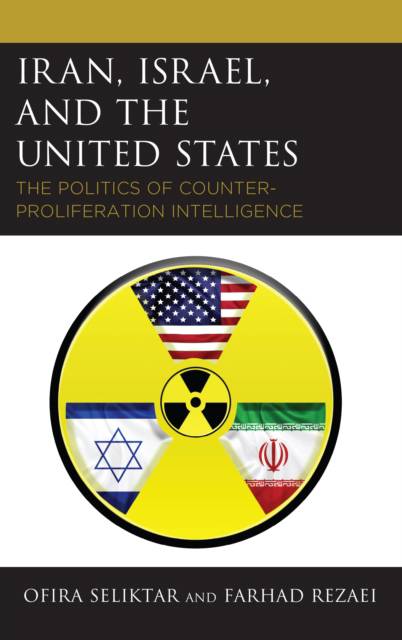
Iran, Israel, and the United States
The Politics of Counter-Proliferation Intelligence
Ofira Seliktar, Farhad Rezaei
Livre relié | Anglais
220,45 €
+ 440 points
Description
This book analyzes the process of evaluating Iran's nuclear project and the efforts to roll it back, resulting in the 2015 nuclear agreement known as the Joint Comprehensive Plan of Action (JCPA). Despite its aura of scientific exactitude, nuclear intelligence is complex and susceptible to methodological disagreements and political bias at the international oversight level--the International Atomic Energy Agency (IAEA)--and within the countries involved in the rollback project - Israel and the United States.
To highlight both the technological problems of assessing compliance and the politicization, each chapter in the book uses a real-time comparison of the nuclear developments in Iran, and the perception of Israel and the United States. This methodology yielded some significant results. Essentially, two camps had formed in each country; those who were pushing for an agreement with Iran and those who opposed it.The Israeli intelligence agencies - the Mossad and the Military Intelligence - as well as the highly secretive Israeli Atomic Energy Commission (IAEC) which advised them considered the program to be weak and slow moving. The right-wing government of Benjamin Netanyahu suggested that Iran was steps away from the "point of no return," making it an existential threat to Israel. A virtually identical split emerged in Washington. While the intelligence community and the advising scientists from the National Nuclear Laboratories, considered Iran progress to be relatively modest, the Republicans and the Israel lobby - the Jewish organizations and the Christian Zionists-- warned of the imminent danger of a nuclear Iran. With the Obama administration pushing for the JCPOA, a fierce debate took place in Congress. The Israeli intelligence and military chiefs led by the Mossad chief Meir Dagan, which had previously blocked Netanyahu from a preemptive action, quietly supported the agreement. In Washington, the Israel lobby, and the Republicans, helped by Netanyahu, mounted an all-out effort to defeat the deal in Congress. The pro-deal coalition fought back by mobilizing the scientific community, military and intelligence officials, the business lobby, and grassroots Democrats.
The JCPOA represents the first successful effort of peaceful counterproliferation. At the same, excessive politicization has clouded its legitimacy and cast doubt about its future.
Spécifications
Parties prenantes
- Auteur(s) :
- Editeur:
Contenu
- Nombre de pages :
- 284
- Langue:
- Anglais
Caractéristiques
- EAN:
- 9781498569750
- Date de parution :
- 20-06-18
- Format:
- Livre relié
- Format numérique:
- Genaaid
- Dimensions :
- 157 mm x 231 mm
- Poids :
- 566 g


Seulement chez Librairie Club
+ 440 points sur votre carte client de Librairie Club
Cadeau


Les avis
Nous publions uniquement les avis qui respectent les conditions requises. Consultez nos conditions pour les avis.