


- Retrait en 2 heures
- Assortiment impressionnant
- Paiement sécurisé
- Toujours un magasin près de chez vous
- Retrait en 2 heures
- Assortiment impressionnant
- Paiement sécurisé
- Toujours un magasin près de chez vous



151,95 €
+ 303 points
Description
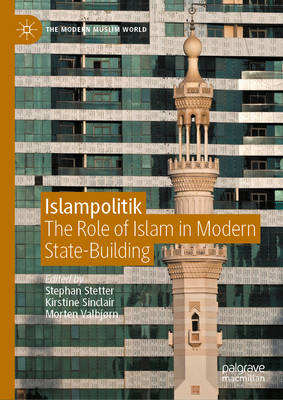
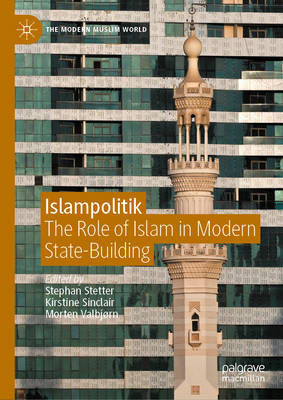
Islampolitik: The Role of Islam in Modern-State Building examines the interrelationship between Islam and state-building in global modernity. Synthesizing scholarship from the fields of sociology, political science, history, religious studies, Middle East, and Islamic studies, this book brings together theories from both below (subjectivities) and above (governance) into one comprehensive resource.
Islampolitik investigates how modern states draw on religion, specifically Islam, when creating templates for subjectivity formation of individuals and communities as part of their broader governance strategies. The book provides a needed challenge to the long-held perception amongst scholars of governance and modernity: namely that Islam is a source of pre-modern rationales creating obstacles to modern governance and state maintenance processes. The book provides empirical insights into the connection between global modernity and modern frames for identity construction.
Spécifications
Parties prenantes
- Editeur:
Contenu
- Nombre de pages :
- 214
- Langue:
- Anglais
- Collection :
Caractéristiques
- EAN:
- 9783032284358
- Date de parution :
- 09-08-26
- Format:
- Livre relié
- Format numérique:
- Genaaid
- Dimensions :
- 148 mm x 210 mm

Seulement chez Librairie Club
+ 303 points sur votre carte client de Librairie Club
Cadeau


Les avis
Nous publions uniquement les avis qui respectent les conditions requises. Consultez nos conditions pour les avis.