


- Retrait en 2 heures
- Assortiment impressionnant
- Paiement sécurisé
- Toujours un magasin près de chez vous
- Retrait en 2 heures
- Assortiment impressionnant
- Paiement sécurisé
- Toujours un magasin près de chez vous



84,80 €
+ 169 points
Description
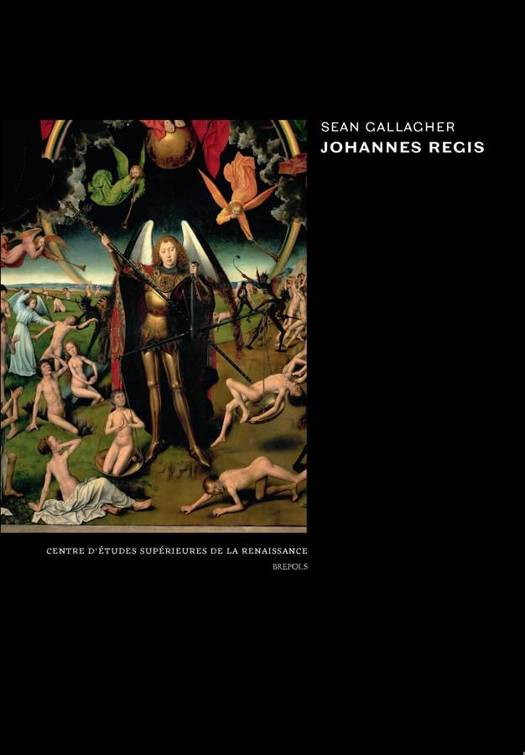
The abundance of new information that has emerged since the mid 1980s concerning Ockeghem, Busnoys, Binchois, Du Fay and others has in many ways reshaped the landscape of mid fifteenth-century music. Meanwhile there have been major upheavals in our understanding of the works and careers of Josquin, Obrecht and other composers of the generation active during the last decades of the century. Regis's music and biography spans these two periods and two groups of composers in intriguing ways. On the one hand he is the only one among his contemporaries for whom extended personal contact with both Binchois and Du Fay, the two leading figures of the first half of the century, can be proposed with confidence. While on the other hand, Regis is the only composer of his generation to have several of his Latin-texted works published in Petrucci's prints of the early sixteenth century. Given this unusual profile, it now seems especially important to gain a clearer sense of Regis's career and to situate his works within the new historical picture that has begun to form of musical developments in the second half of the fifteenth century. In bringing together and adding to what is known of Regis's biography Chapter 1 focuses on his connections to three institutions: the collegiate church of Saint-Vincent in Soignies, Cambrai Cathedral, and the Burgundian court. Chapters 2 and 3 look closely at a group of works, including his two surviving mass settings, most of which employ novel combinative techniques of one sort or another. A missa sus lome arme by Regis copied at Cambrai in 1462 is the earliest reference to any work based on the famous L'homme arme melody. The material presented here allows us to establish for the first time the specific historical context in which a L'homme arme mass was composed. The final chapter is devoted to Regis's tenor motets, works that have by now received a good deal of scholarly attention. In focusing on aspects of these motets that have gone unnoticed (such as Regis's use of four distinct ranges) or that in my view merit more detailed study, my aim has been to highlight the distinctive nature of each of the pieces. As examples of a particular motet-type they have an unquestionable importance in the historical development of the genre. But they are also among the grandest musical gestures of the fifteenth century, each inflected in its own way, as The Clerks so splendidly reveal in the recordings that accompany the volume.
Spécifications
Parties prenantes
- Auteur(s) :
- Editeur:
Contenu
- Nombre de pages :
- 249
- Langue:
- Anglais
- Collection :
Caractéristiques
- EAN:
- 9782503533643
- Date de parution :
- 08-02-11
- Format:
- Livre relié
- Format numérique:
- Genaaid
- Dimensions :
- 175 mm x 249 mm
- Poids :
- 857 g


Seulement chez Librairie Club
+ 169 points sur votre carte client de Librairie Club
Cadeau


Les avis
Nous publions uniquement les avis qui respectent les conditions requises. Consultez nos conditions pour les avis.