


- Retrait en 2 heures
- Assortiment impressionnant
- Paiement sécurisé
- Toujours un magasin près de chez vous
- Retrait en 2 heures
- Assortiment impressionnant
- Paiement sécurisé
- Toujours un magasin près de chez vous



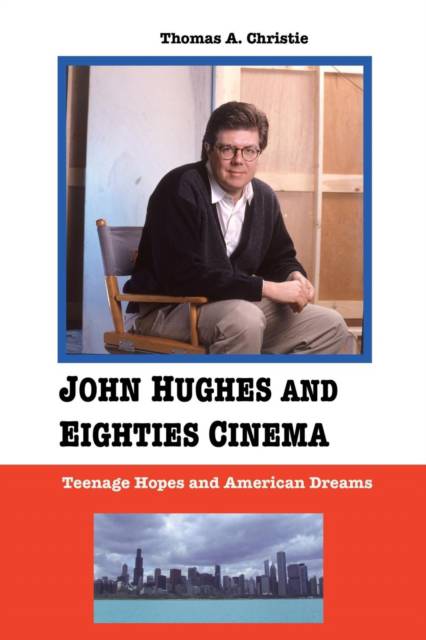
John Hughes and Eighties Cinema
Teenage Hopes and American Dreams
Thomas A Christie
Livre broché | Anglais
20,95 €
+ 41 points
Format
Description
JOHN HUGHES AND EIGHTIES CINEMA
John Hughes is the acclaimed writer and director of Ferris Bueller's Day Off, The Breakfast Club, Weird Science, Pretty In Pink and many other classic movies of the 1980s. This book is the first full-length analysis of all of John Hughes's films throughout the 1980s; not only the features that he directed, but also those for which he provided the screenplay. By analysing these pictures and discussing their social and cultural significance in the wider context of the decade, Hughes's importance as a filmmaker will be considered, and his prominent contribution to cinema assessed. The book concludes with a detailed analysis of Ferris Bueller's Day Off, a film which is considered to be among Hughes's most critically successful works and also one of his most structurally refined. The new edition has been updated and revised in the wake of John Hughes' death in 2009. Fully illustrated. With bibliography, filmography and notes. 376 pages. ISBN 9781861714367. www.crmoon.com REVIEW ON AMAZON If like me, you were fortunate enough to live through and grow up during the 80's and early 90's, you'll remember just how rich comedy was back then. This book on it's own puts most comedies of the modern era to shame as it is a homage to one of the most talented minds in the game. I am of course speaking of none other than the late great John Hughes. This is a great book for getting into the details of how a master of his art came about and created such cinematic gems. Hughes will be sorely missed which is why books like this keep his spirit and work alive! I'd say this book is for people who are nostalgic 20-somethings or cinema buffs, but all-round a good book for just about anyone who would like to know what made one of the funniest minds of Hollywood tick. EXTRACT FROM THE INTRODUCTION: Think of the American cinema of the 1980s, and your mind is instantly bombarded by dozens and dozens of flamboyant moving images from this most distinctive of cinematic decades. You might be thinking of films which became classics such as Irvin Kershner's The Empire Strikes (1980), Steven Spielberg's Raiders of the Lost Ark (1981), Robert Zemeckis's Back to the Future (1985), or possibly even Tim Burton's Batman (1989). It was a decade that gave birth to some film franchises - one need only call to mind John Rambo's explosive first appearance in Ted Kotcheff's First Blood (1982), the harrowing exploits of Officer Murphy in Paul Verhoeven's RoboCop (1987), or even the improbably long-running knockabout antics of Cadet Mahoney and his fellow recruits which began with Hugh Wilson's Police Academy (1984). It was against this creatively abundant background of the Eighties film world that audiences were first introduced to the work of influential director and screenwriter John Hughes (1950-2009). Today Hughes is just as well known for the scripts he created for hugely popular family films throughout the 1990s, including Chris Columbus's blockbuster Home Alone (1990), Brian Levant's Beethoven (1992) and Nick Castle's Dennis the Menace (1993), written under his pen-name of Edmond Dantès. But even these accomplishments couldn't compare to the artistic diversity of his output throughout the eighties. Although it is easy to remember Hughes for his meteorically successful teen movies right the way through the including The Breakfast Club (1985) and Ferris Bueller's Day (1986), he was every bit as adroit in his handling of suburban satires such as Mr Mom (1983) and Uncle Buck (1989), his wry observations of the great American holiday in National Lampoon's Vacation (1983) and The Great Outdoors (1988), the trials of an exasperated everyman commuter in Planes, Trains and Automobiles (1987), and the expectation of anxious new parents in She's Having a Baby (1988). Throughout the course of Hughes's career, there has rarely been a lack of variety in his choice of subject matter.
Spécifications
Parties prenantes
- Auteur(s) :
- Editeur:
Contenu
- Nombre de pages :
- 376
- Langue:
- Anglais
Caractéristiques
- EAN:
- 9781861714367
- Date de parution :
- 02-12-13
- Format:
- Livre broché
- Format numérique:
- Trade paperback (VS)
- Dimensions :
- 156 mm x 234 mm
- Poids :
- 526 g


Seulement chez Librairie Club
+ 41 points sur votre carte client de Librairie Club
Cadeau


Les avis
Nous publions uniquement les avis qui respectent les conditions requises. Consultez nos conditions pour les avis.