


- Retrait en 2 heures
- Assortiment impressionnant
- Paiement sécurisé
- Toujours un magasin près de chez vous
- Retrait gratuit dans votre magasin Club
- 7.000.0000 titres dans notre catalogue
- Payer en toute sécurité
- Toujours un magasin près de chez vous



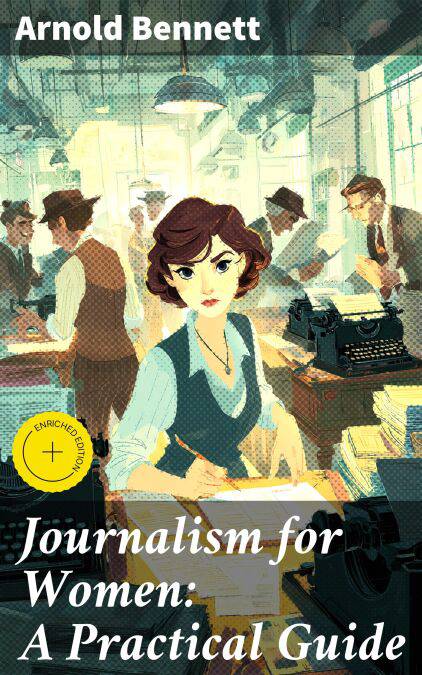
Journalism for Women: A Practical Guide EBOOK
Enriched edition. A Practical Guide for Female Journalists: Writing Tips and Techniques
Arnold Bennett
Ebook | Anglais
0,49 €
Description
In "Journalism for Women: A Practical Guide," Arnold Bennett addresses the growing role of women in journalism during the early 20th century, advocating for their voices within the profession. Through a blend of practical advice and insightful commentary, Bennett explores various facets of journalism, encouraging women to embrace their capabilities and breaking from traditional constraints. His literary style is both accessible and engaging, utilizing a conversational tone that demystifies the craft while providing essential guidance on reporting, writing, and the ethics of journalism, all within the context of a changing societal landscape that began to acknowledge women's contributions to public discourse. Arnold Bennett, a leading figure in the literary and social scene of the early 1900s, was deeply influenced by his own experiences with journalism and the evolving dynamics of gender roles in society. His position as a writer and an editor of various publications endowed him with a unique perspective on the challenges facing women in a dominantly male profession. This book reflects Bennett's belief in the necessity of women's empowerment through media, emphasizing their significant role in shaping public opinion. "Journalism for Women" is recommended for aspiring journalists, scholars of gender studies, and anyone interested in the historical context of media. Bennett's practical insights remain relevant today, making this guide an essential read for those looking to understand the foundations of contemporary journalism through a feminist lens.
In this enriched edition, we have carefully created added value for your reading experience:
- A succinct Introduction situates the work's timeless appeal and themes.
- The Synopsis outlines the central plot, highlighting key developments without spoiling critical twists.
- A detailed Historical Context immerses you in the era's events and influences that shaped the writing.
- A thorough Analysis dissects symbols, motifs, and character arcs to unearth underlying meanings.
- Reflection questions prompt you to engage personally with the work's messages, connecting them to modern life.
- Hand‐picked Memorable Quotes shine a spotlight on moments of literary brilliance.
- Interactive footnotes clarify unusual references, historical allusions, and archaic phrases for an effortless, more informed read.
In this enriched edition, we have carefully created added value for your reading experience:
- A succinct Introduction situates the work's timeless appeal and themes.
- The Synopsis outlines the central plot, highlighting key developments without spoiling critical twists.
- A detailed Historical Context immerses you in the era's events and influences that shaped the writing.
- A thorough Analysis dissects symbols, motifs, and character arcs to unearth underlying meanings.
- Reflection questions prompt you to engage personally with the work's messages, connecting them to modern life.
- Hand‐picked Memorable Quotes shine a spotlight on moments of literary brilliance.
- Interactive footnotes clarify unusual references, historical allusions, and archaic phrases for an effortless, more informed read.
Spécifications
Parties prenantes
- Auteur(s) :
- Editeur:
Contenu
- Nombre de pages :
- 137
- Langue:
- Anglais
Caractéristiques
- EAN:
- 4057664603449
- Date de parution :
- 25-11-19
- Format:
- Ebook
- Protection digitale:
- Digital watermarking
- Format numérique:
- ePub


Seulement chez Librairie Club
Cadeau

Cadeau


Les avis
Nous publions uniquement les avis qui respectent les conditions requises. Consultez nos conditions pour les avis.