


- Retrait en 2 heures
- Assortiment impressionnant
- Paiement sécurisé
- Toujours un magasin près de chez vous
- Retrait en 2 heures
- Assortiment impressionnant
- Paiement sécurisé
- Toujours un magasin près de chez vous



212,95 €
+ 425 points
Description
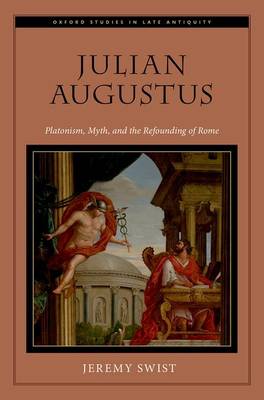
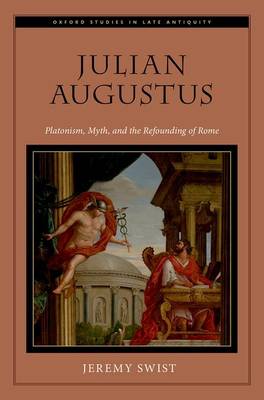
The Roman emperor Julian (r. 361-363 CE) was a man of action and of letters, which he employed in an effort to return the Empire to the light of the pagan gods, and reverse the Christianization of the empire advanced by his uncle Constantine and the sons of Constantine. This enterprise was inspired and guided by his conversion to the Neoplatonic philosophy and radical pagan Hellenism of Iamblichus and his disciples, and promoted by his production of Greek orations, letters, and satires. These works present a coherent vision of the providentially guided history and destiny of Rome as a series of foundations and refoundations enacted by rulers such as Romulus, Numa, and Caesar Augustus. As this book demonstrates, Julian offers an Iamblichean approach to the exegesis of the legends of Rome's founding, the allegories of Plato's dialogues, and myths of his own creation in order to articulate his own role in the refounding of the Empire. Furthermore, argues Jeremy Swist, approaching the wider examination of Julian's imperial self-image on these terms ends up nuancing and challenging common assumptions influenced by the rhetoric of his contemporary proponents. In his reverence for the gods and for philosophy, the emperor's self-construction embraces the identities of a statesman and soldier more than of a philosopher, of a Roman more than a Greek, and of a mere human rather than a semi-divine being. While distancing himself from the ideal models of philosophical virtue and imperial founding that inspire his own actions, he adopts a different set of exemplary figures as mirrors of himself.
Spécifications
Parties prenantes
- Auteur(s) :
- Editeur:
Contenu
- Nombre de pages :
- 376
- Langue:
- Anglais
- Collection :
Caractéristiques
- EAN:
- 9780197787519
- Date de parution :
- 26-09-25
- Format:
- Livre relié
- Format numérique:
- Genaaid
- Dimensions :
- 165 mm x 238 mm
- Poids :
- 639 g


Seulement chez Librairie Club
+ 425 points sur votre carte client de Librairie Club
Cadeau


Les avis
Nous publions uniquement les avis qui respectent les conditions requises. Consultez nos conditions pour les avis.