


- Retrait en 2 heures
- Assortiment impressionnant
- Paiement sécurisé
- Toujours un magasin près de chez vous
- Retrait gratuit dans votre magasin Club
- 7.000.0000 titres dans notre catalogue
- Payer en toute sécurité
- Toujours un magasin près de chez vous



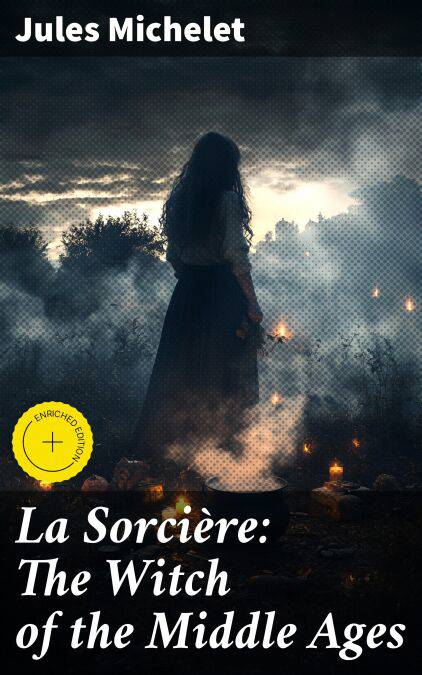
La Sorcière: The Witch of the Middle Ages EBOOK
Enriched edition. Unveiling the Dark Secrets of Medieval Witch Hunts
Jules Michelet
Ebook | Anglais
0,49 €
Format
Description
In "La Sorcière: The Witch of the Middle Ages," Jules Michelet delves into the complex interplay of superstition, misogyny, and societal fear that surrounded witchcraft during the medieval period. Through a rich tapestry of narrative and historical analysis, Michelet employs a lyrical yet analytical style, vividly illustrating the cultural and emotional landscape that depicted women as both healers and harbingers of evil. This work places witchcraft within the broader context of European folkloric traditions while contrasting it against the rising tide of rationalism that characterized the Enlightenment, illuminating how these beliefs shaped social structures and individual lives. Michelet, a pioneering French historian of the 19th century, was profoundly influenced by his Romantic sensibilities and his deep engagement with human emotion and naturalism. His background in the tumultuous political environment of France, along with his empathetic portrayal of marginalized figures, likely inspired him to tackle the subject of witchcraft. Michelet sought not only to reclaim the narratives of those accused but to reflect on the war against women and the oppressive forces of the patriarchal society that defined the Middle Ages. "La Sorcière" is a compelling invitation for readers to traverse the shadows of history, offering profound insights into the nature of fear and femininity. This scholarly yet accessible work is essential for anyone keen on understanding the historical roots of misogyny and its modern implications, making it a significant addition to the libraries of students, historians, and the general public alike.
In this enriched edition, we have carefully created added value for your reading experience:
- A succinct Introduction situates the work's timeless appeal and themes.
- The Synopsis outlines the central plot, highlighting key developments without spoiling critical twists.
- A detailed Historical Context immerses you in the era's events and influences that shaped the writing.
- A thorough Analysis dissects symbols, motifs, and character arcs to unearth underlying meanings.
- Reflection questions prompt you to engage personally with the work's messages, connecting them to modern life.
- Hand‐picked Memorable Quotes shine a spotlight on moments of literary brilliance.
- Interactive footnotes clarify unusual references, historical allusions, and archaic phrases for an effortless, more informed read.
In this enriched edition, we have carefully created added value for your reading experience:
- A succinct Introduction situates the work's timeless appeal and themes.
- The Synopsis outlines the central plot, highlighting key developments without spoiling critical twists.
- A detailed Historical Context immerses you in the era's events and influences that shaped the writing.
- A thorough Analysis dissects symbols, motifs, and character arcs to unearth underlying meanings.
- Reflection questions prompt you to engage personally with the work's messages, connecting them to modern life.
- Hand‐picked Memorable Quotes shine a spotlight on moments of literary brilliance.
- Interactive footnotes clarify unusual references, historical allusions, and archaic phrases for an effortless, more informed read.
Spécifications
Parties prenantes
- Auteur(s) :
- Traducteur(s):
- Editeur:
Contenu
- Nombre de pages :
- 319
- Langue:
- Anglais
Caractéristiques
- EAN:
- 4057664652997
- Date de parution :
- 20-11-19
- Format:
- Ebook
- Protection digitale:
- Digital watermarking
- Format numérique:
- ePub



Seulement chez Librairie Club
Cadeau

Cadeau


Les avis
Nous publions uniquement les avis qui respectent les conditions requises. Consultez nos conditions pour les avis.