


- Retrait en 2 heures
- Assortiment impressionnant
- Paiement sécurisé
- Toujours un magasin près de chez vous
- Retrait en 2 heures
- Assortiment impressionnant
- Paiement sécurisé
- Toujours un magasin près de chez vous



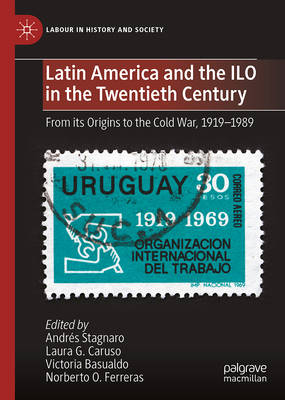
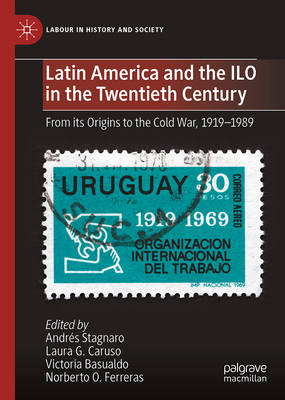
Latin America and the ILO in the Twentieth Century
From Its Origins to the Cold War, 1919-1989
160,45 €
+ 320 points
Description
Bringing together historical research on a local, regional, and global scale, this edited collection investigates the processes, subjects and categories that shaped Latin American labour in the twentieth century and its connection with the International Labour Organization (ILO). The book proposes a renewed chronology and periodization in light of Latin American processes. Without neglecting the chronology that historiography has established for the ILO itself - a chronology that is also in dispute it allows us to focus on what we understand to be the characteristics of the relationship between the ILO and Latin America. Moreover, it contributes to the historicization of certain concepts linked to the definition of work and the multiple actors involved in the employment relationship. In this sense, the contributions in this book emphasize and illuminate attempts at regulation by the ILO, as well as the disputes over their meaning between workers, employers, national civil servants, trade unions and the ILO bureaucracy itself. The book also critically investigates the relations between Latin America and the ILO, challenging the centrality of European events in the constitution of the historiography on this organisation. In doing so, the book seeks to reaffirm the importance of the Latin American region and its actors in connection with the ILO.
Spécifications
Parties prenantes
- Editeur:
Contenu
- Langue:
- Anglais
- Collection :
Caractéristiques
- EAN:
- 9783032037466
- Date de parution :
- 31-10-26
- Format:
- Livre relié
- Format numérique:
- Genaaid
- Dimensions :
- 148 mm x 210 mm

Seulement chez Librairie Club
+ 320 points sur votre carte client de Librairie Club
Cadeau


Les avis
Nous publions uniquement les avis qui respectent les conditions requises. Consultez nos conditions pour les avis.