


- Retrait en 2 heures
- Assortiment impressionnant
- Paiement sécurisé
- Toujours un magasin près de chez vous
- Retrait en 2 heures
- Assortiment impressionnant
- Paiement sécurisé
- Toujours un magasin près de chez vous



1,99 €
+ 1 points
Description
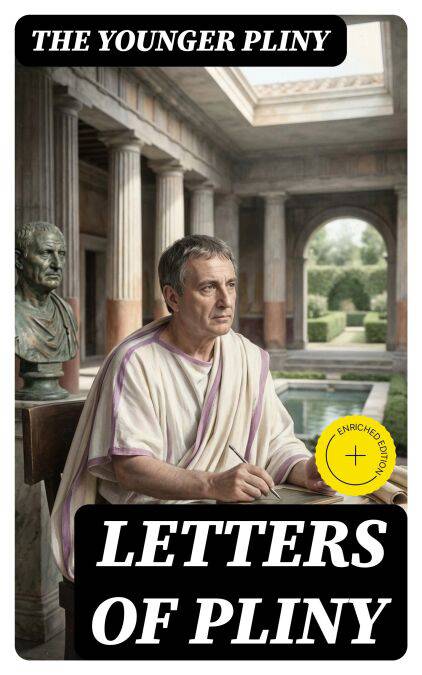
In "Letters of Pliny," Gaius Plinius Caecilius Secundus, known as Pliny the Younger, presents a profound collection of personal correspondence that offers an invaluable glimpse into the life and society of Rome during the first century AD. This epistolary work is characterized by its eloquent prose, rich observations, and insightful reflections on both mundane and significant events, encapsulating themes of friendship, politics, and the human condition. Pliny's letters, addressed to notable contemporaries and even emperors, serve not only as personal notes but also as historical documents that illuminate the nuances of Roman life at the height of the Empire, revealing the complexities of its social hierarchies and cultural values. Pliny the Younger, a lawyer and a prominent figure in Roman society, was greatly influenced by his uncle, Pliny the Elder, whose scholarly pursuits and tragic fate during the eruption of Vesuvius shaped his worldview. Through his correspondence, Pliny reflects the intellectual currents of his time, showcasing his upbringing in a wealthy and educated milieu while navigating the intricate dynamics of political life in Rome. His letters reveal a mind deeply engaged with the philosophical and civic questions of his era, making him a key figure in the intellectual landscape of ancient Rome. Readers seeking a sophisticated exploration of personal and social dynamics in the ancient world will find "Letters of Pliny" to be an essential text. Its combination of literary finesse and historical significance invites rich reflection on the nature of communication, power, and the human experience. This collection not only enriches our understanding of Roman culture but also resonates with timeless themes that continue to echo in contemporary discourse.
In this enriched edition, we have carefully created added value for your reading experience:
- A comprehensive Introduction outlines these selected works' unifying features, themes, or stylistic evolutions.
- The Author Biography highlights personal milestones and literary influences that shape the entire body of writing.
- A Historical Context section situates the works in their broader era—social currents, cultural trends, and key events that underpin their creation.
- A concise Synopsis (Selection) offers an accessible overview of the included texts, helping readers navigate plotlines and main ideas without revealing critical twists.
- A unified Analysis examines recurring motifs and stylistic hallmarks across the collection, tying the stories together while spotlighting the different work's strengths.
- Reflection questions inspire deeper contemplation of the author's overarching message, inviting readers to draw connections among different texts and relate them to modern contexts.
- Lastly, our hand‐picked Memorable Quotes distill pivotal lines and turning points, serving as touchstones for the collection's central themes.
In this enriched edition, we have carefully created added value for your reading experience:
- A comprehensive Introduction outlines these selected works' unifying features, themes, or stylistic evolutions.
- The Author Biography highlights personal milestones and literary influences that shape the entire body of writing.
- A Historical Context section situates the works in their broader era—social currents, cultural trends, and key events that underpin their creation.
- A concise Synopsis (Selection) offers an accessible overview of the included texts, helping readers navigate plotlines and main ideas without revealing critical twists.
- A unified Analysis examines recurring motifs and stylistic hallmarks across the collection, tying the stories together while spotlighting the different work's strengths.
- Reflection questions inspire deeper contemplation of the author's overarching message, inviting readers to draw connections among different texts and relate them to modern contexts.
- Lastly, our hand‐picked Memorable Quotes distill pivotal lines and turning points, serving as touchstones for the collection's central themes.
Spécifications
Parties prenantes
- Auteur(s) :
- Traducteur(s):
- Editeur:
Contenu
- Nombre de pages :
- 230
- Langue:
- Anglais
Caractéristiques
- EAN:
- 8596547328292
- Date de parution :
- 14-09-22
- Format:
- Ebook
- Protection digitale:
- Digital watermarking
- Format numérique:
- ePub



Seulement chez Librairie Club
+ 1 points sur votre carte client de Librairie Club
Cadeau


Les avis
Nous publions uniquement les avis qui respectent les conditions requises. Consultez nos conditions pour les avis.