


- Retrait en 2 heures
- Assortiment impressionnant
- Paiement sécurisé
- Toujours un magasin près de chez vous
- Retrait en 2 heures
- Assortiment impressionnant
- Paiement sécurisé
- Toujours un magasin près de chez vous



24,45 €
+ 48 points
Description
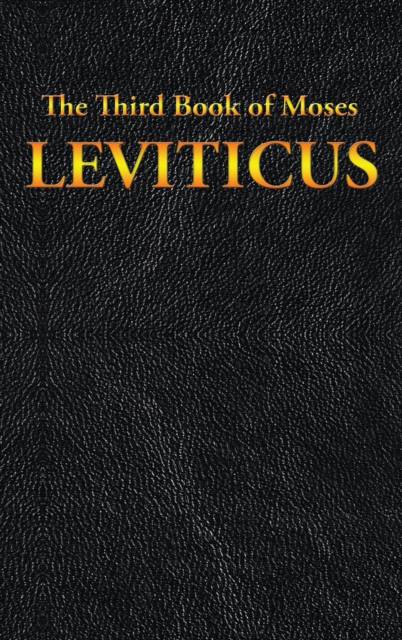
Leviticus sets forth the ritual, ethical, and communal laws that shape Israel's covenantal life, articulating holiness as ordered practice rather than abstraction.
Positioned between the narrative movement of Exodus and Numbers, Leviticus is devoted largely to priestly instruction. It outlines sacrificial rites, regulations concerning purity, dietary practice, sacred festivals, and the responsibilities of both clergy and community. Its language is precise and deliberate, reflecting a vision of worship structured by discipline and continuity.
Beyond ceremonial detail, the book articulates a moral horizon in which conduct toward neighbor and stranger alike is framed within covenantal responsibility. The injunction to pursue holiness in daily life situates ritual observance within a broader ethical order. In its measured codification of sacred practice, Leviticus stands as a foundational text within the Pentateuch, shaping the theological and communal imagination of the Hebrew Scriptures.
Spécifications
Parties prenantes
- Auteur(s) :
- Editeur:
Contenu
- Nombre de pages :
- 66
- Langue:
- Anglais
Caractéristiques
- EAN:
- 9781515440802
- Date de parution :
- 28-05-19
- Format:
- Livre relié
- Format numérique:
- Genaaid
- Dimensions :
- 152 mm x 229 mm
- Poids :
- 272 g


Seulement chez Librairie Club
+ 48 points sur votre carte client de Librairie Club
Cadeau


Les avis
Nous publions uniquement les avis qui respectent les conditions requises. Consultez nos conditions pour les avis.