


- Retrait en 2 heures
- Assortiment impressionnant
- Paiement sécurisé
- Toujours un magasin près de chez vous
- Retrait en 2 heures
- Assortiment impressionnant
- Paiement sécurisé
- Toujours un magasin près de chez vous



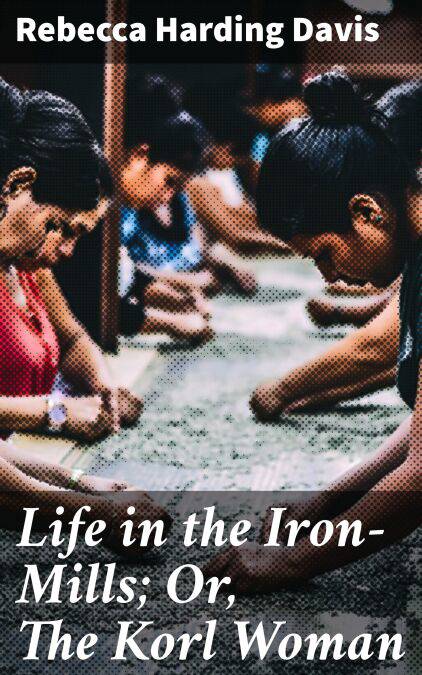
Life in the Iron-Mills; Or, The Korl Woman EBOOK
Exploring the Human Cost of Industrial Progress
Rebecca Harding Davis
Ebook | Anglais
0,49 €
Description
In her groundbreaking novella, "Life in the Iron-Mills; Or, The Korl Woman," Rebecca Harding Davis intricately weaves a narrative that exposes the harsh realities of industrial America in the 19th century. With a vivid realism often associated with the literary movement known as local color, Davis captures the struggles of laborers within the ironworks of Pennsylvania. The protagonist, Hugh Wolfe, embodies the grime and grit of industrial life, while the symbolic figure of the Korl Woman represents both the oppressive conditions and the glimmer of artistic aspiration unable to flourish in a society dominated by industrialization. Davis's poignant style, marked by rich imagery and profound social critique, invites readers to confront the moral and ethical dilemmas of their time. Rebecca Harding Davis, a pioneering figure in American literature, was deeply influenced by her own experiences in a rapidly industrializing society. Growing up in a rural community before moving to the bustling city of Wheeling, West Virginia, she observed firsthand the socioeconomic disparities exacerbated by industrial progress. Her passionate advocacy for social reform and women's rights informs her powerful storytelling, revealing the profound interconnectedness of individual struggles and the larger socio-political landscape. I highly recommend "Life in the Iron-Mills" to readers interested in a compelling exploration of class struggle, industrialization, and the quest for identity in an unforgiving environment. Davis's work remains as relevant today as it was in the 1860s, prompting reflection on the human condition while challenging contemporary notions of progress and inequality.
Spécifications
Parties prenantes
- Auteur(s) :
- Editeur:
Contenu
- Nombre de pages :
- 130
- Langue:
- Anglais
Caractéristiques
- EAN:
- 4064066091163
- Date de parution :
- 15-03-20
- Format:
- Ebook
- Protection digitale:
- Digital watermarking
- Format numérique:
- ePub


Seulement chez Librairie Club
Cadeau


Les avis
Nous publions uniquement les avis qui respectent les conditions requises. Consultez nos conditions pour les avis.