


- Retrait en 2 heures
- Assortiment impressionnant
- Paiement sécurisé
- Toujours un magasin près de chez vous
- Retrait en 2 heures
- Assortiment impressionnant
- Paiement sécurisé
- Toujours un magasin près de chez vous



45,95 €
+ 91 points
Description
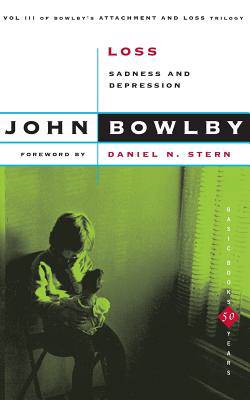
Bowlby's seminal contribution to the way we understand attachment concludes with an examination of loss. He offers not only a new developmental model but also rare insight into the dynamics of mourning, the problems of depression, and the processes of accommodation and healing. An appreciation by Daniel Stern, whose research on the mother/infant bond affirms and expands on Bowlby's work, fittingly graces this new edition.
Spécifications
Parties prenantes
- Auteur(s) :
- Editeur:
Contenu
- Nombre de pages :
- 496
- Langue:
- Anglais
- Collection :
Caractéristiques
- EAN:
- 9780465042388
- Date de parution :
- 01-10-82
- Format:
- Livre broché
- Format numérique:
- Trade paperback (VS)
- Dimensions :
- 136 mm x 203 mm
- Poids :
- 530 g


Seulement chez Librairie Club
+ 91 points sur votre carte client de Librairie Club
Cadeau


Les avis
Nous publions uniquement les avis qui respectent les conditions requises. Consultez nos conditions pour les avis.