


- Retrait en 2 heures
- Assortiment impressionnant
- Paiement sécurisé
- Toujours un magasin près de chez vous
- Retrait en 2 heures
- Assortiment impressionnant
- Paiement sécurisé
- Toujours un magasin près de chez vous



32,45 €
+ 64 points
Format
Description
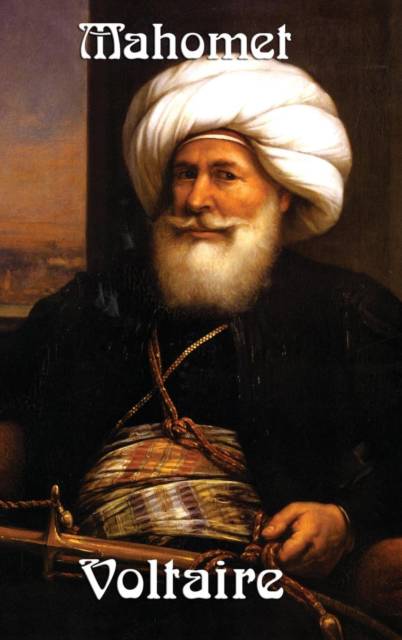
Voltaire's controversial and intellectually powerful tragedy examines religious extremism, political manipulation, and the corrupting nature of absolute authority through the figure of Mahomet. In Mahomet, the great Enlightenment philosopher and dramatist constructs a dramatic exploration of fanaticism, ambition, persuasion, and moral corruption, using historical and religious themes to investigate the dangers of ideological control and charismatic power.
Originally performed in 1741, the play reflects Voltaire's enduring concern with intolerance, dogmatism, and the abuse of religion for political ends. Written in the tradition of French neoclassical tragedy, Mahomet combines rhetorical intensity, psychological conflict, political intrigue, and philosophical inquiry within a tightly structured dramatic framework. The work's emotional force arises not only from personal tragedy, but from the larger social consequences of manipulation carried out in the name of authority and belief.
Though controversial from the time of its publication, Mahomet became one of Voltaire's most discussed dramatic works and remains significant both as literature and as a document of Enlightenment-era debates concerning religion, freedom of thought, fanaticism, and political power. The play demonstrates Voltaire's ability to unite dramatic storytelling with philosophical and social criticism.
This edition features the classic translation by William F. Fleming, preserving the intellectual energy, dramatic force, and literary sophistication of Voltaire's original text.
Ideal for readers of classical drama, Enlightenment philosophy, French literature, political theatre, tragic drama, and the history of ideas.
Spécifications
Parties prenantes
- Auteur(s) :
- Traducteur(s):
- Editeur:
Contenu
- Nombre de pages :
- 54
- Langue:
- Anglais
Caractéristiques
- EAN:
- 9781515431022
- Date de parution :
- 03-04-18
- Format:
- Livre relié
- Format numérique:
- Genaaid
- Dimensions :
- 152 mm x 229 mm
- Poids :
- 254 g



Seulement chez Librairie Club
+ 64 points sur votre carte client de Librairie Club
Cadeau


Les avis
Nous publions uniquement les avis qui respectent les conditions requises. Consultez nos conditions pour les avis.