


- Retrait en 2 heures
- Assortiment impressionnant
- Paiement sécurisé
- Toujours un magasin près de chez vous
- Retrait en 2 heures
- Assortiment impressionnant
- Paiement sécurisé
- Toujours un magasin près de chez vous



2,99 €
+ 2 points
Description
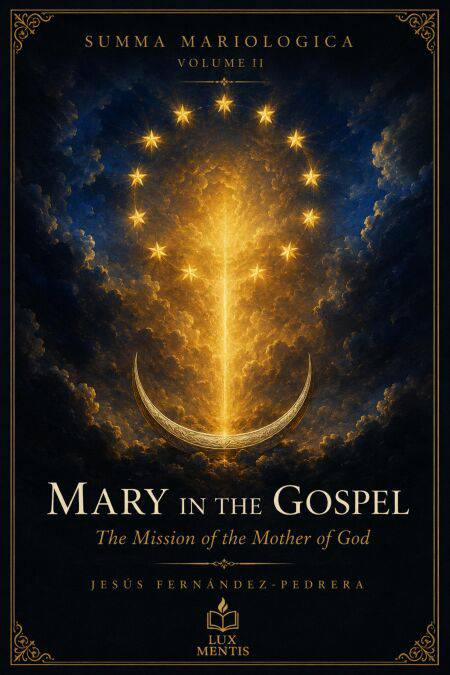
In this monumental treatise, Jesús Fernández-Pedrera takes on the methodological challenge of rescuing Mariology from its conceptual isolation and reintegrating it into the heart of dogmatic theology and the history of salvation.
The work precisely dismantles the prejudices of the theology that emerged from the Reformation—which considered Mariology a pathological "excrescence" of the faith—demonstrating that each prerogative of the Mother of God is an indispensable consequence for safeguarding the internal coherence of Christology.
The boldest and most innovative thesis of this volume lies in its capacity to establish a transdisciplinary dialogue between the classical metaphysics of St. Thomas Aquinas and the postulates of contemporary molecular and cellular genetics. By examining the virginal conception through the lens of mitochondrial DNA with absolute matrilineal inheritance and analyzing the chromosomal contribution necessary for virilization at the Incarnation, the author offers a dazzling "apologetic biology." This analysis demonstrates the physical continuity of David's lineage through a biologically active female body, subverting the ancient medieval hylomorphic conception that reduced maternal procreation to mere material passivity.
Through a rigorous examination that unifies the Septuagint's exegesis on the term episkiazo, the pneumatology of the Anawim, St. Irenaeus's mysticism of reparation, and Arnold of Chartres' concept of the "double altar" of Golgotha, the work culminates in a profound reconsideration of ecclesiology and supernatural anthropology. By contemplating the Virgin Mary as the New Ark of the Covenant and the Summa Ecclesiae, the treatise offers a solid rational response to materialist nihilism and disembodied spiritualisms, confirming that in the Trinity's creative plan, matter and the human body are destined for transfiguration in the glory of eternity.
Spécifications
Parties prenantes
- Auteur(s) :
- Editeur:
Contenu
- Langue:
- Anglais
- Collection :
Caractéristiques
- EAN:
- 9798235025257
- Date de parution :
- 28-05-26
- Format:
- Ebook
- Protection digitale:
- /
- Format numérique:
- ePub


Seulement chez Librairie Club
+ 2 points sur votre carte client de Librairie Club
Cadeau


Les avis
Nous publions uniquement les avis qui respectent les conditions requises. Consultez nos conditions pour les avis.