


- Retrait en 2 heures
- Assortiment impressionnant
- Paiement sécurisé
- Toujours un magasin près de chez vous
- Retrait en 2 heures
- Assortiment impressionnant
- Paiement sécurisé
- Toujours un magasin près de chez vous



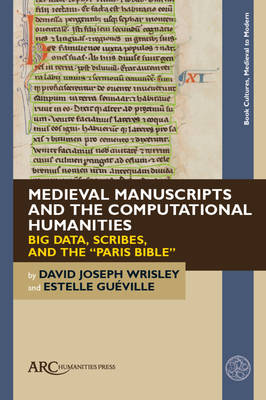
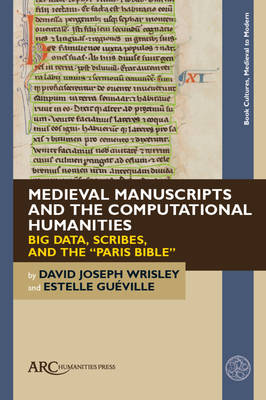
Medieval Manuscripts and the Computational Humanities
Big Data, Scribes, and the "Paris Bible"
David Joseph Wrisley, Estelle Guéville
262,95 €
+ 525 points
Description
This book examines the transformations in medieval studies--and the humanities more broadly--enabled by decades of digitization and advances in computational methods. Centring on the Paris Bible, a widely copied thirteenth- and fourteenth-century manuscript genre, we demonstrate how automated transcription produces scribal data at a scale once inaccessible, and how automation can support new approaches to localizing, dating, and contextualizing manuscripts. We argue that bringing machine learning and artificial intelligence to medieval studies not only requires re-centring expert human intelligence within computational systems, but also raises the question of the infrastructures needed for equitable, collaborative scholarship across the field. The book models how medieval studies might rethink interpretation, highlighting both the promise and risks of computational methods in manuscript research.
Spécifications
Parties prenantes
- Auteur(s) :
- Editeur:
Contenu
- Nombre de pages :
- 196
- Langue:
- Anglais
- Collection :
Caractéristiques
- EAN:
- 9781802702439
- Date de parution :
- 28-02-26
- Format:
- Livre relié
- Format numérique:
- Genaaid
- Dimensions :
- 160 mm x 230 mm
- Poids :
- 467 g


Seulement chez Librairie Club
+ 525 points sur votre carte client de Librairie Club
Cadeau


Les avis
Nous publions uniquement les avis qui respectent les conditions requises. Consultez nos conditions pour les avis.