


- Retrait en 2 heures
- Assortiment impressionnant
- Paiement sécurisé
- Toujours un magasin près de chez vous
- Retrait en 2 heures
- Assortiment impressionnant
- Paiement sécurisé
- Toujours un magasin près de chez vous



51,95 €
+ 103 points
Description
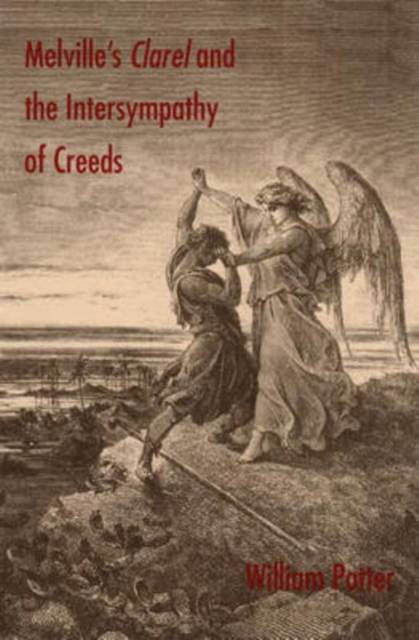
"If ever this dreadful incubus of a book [Clarel] (I call it so because it has undermined all our happiness) gets off Herman's shoulders I do hope he may be in better mental health--but at present I have reason to feel the gravest concern & anxiety about it--to put it in mild phrase."--Letter from Elizabeth Melville to Catherine Gansevoort, 1876 Clarel, an 18,000-line poem, is one of the longest examples of the "faith-doubt" genre that arose in Victorian times and one that has largely been ignored by Melville critics. Author William Potter argues that Melville's poem Clarel is actually a study in comparative religion--one that explores faith in the post-Darwinian age. It was written at a crossroads in Western thought, when science, technology, nationalism, and imperialism were reshaping the world, and in the process ushered in the modern age. Potter proposes that the poem explains that science may have altered our perception of the world, but it cannot eradicate the basic human need for faith, which is timeless and therefore encompasses far more than the concerns of Western Christianity. In Melville's Clarel and the Intersympathy of Creeds, Potter examines the poem within a historical context and by so doing attempts to resolve some of the issues critics have asserted the poem presents. He reviews the burgeoning field of comparative religion in the eighteenth and nineteenth centuries and includes discussions of many of the theories and ideas of well-known figures of the time, such as Hegel, Hume, Müller, Emerson, Whitman, and Schopenhauer. Potter attempts to account for the huge abundance of non-Christian material that appears in the poem. He maintains that Melville answers the nineteenth-century questions of faith through the heterodoxical themes and ideas shared by all religions that lie beneath their very different doctrines--redemptive suffering, the tempered heart, and the aversion to worldliness. Melville's Clarel and the Intersympathy of Creeds will entice Melville scholars and is a much-anticipated critical study of the literature.
Spécifications
Parties prenantes
- Auteur(s) :
- Editeur:
Contenu
- Nombre de pages :
- 264
- Langue:
- Anglais
Caractéristiques
- EAN:
- 9780873387972
- Date de parution :
- 21-05-04
- Format:
- Livre relié
- Format numérique:
- Genaaid
- Dimensions :
- 155 mm x 238 mm
- Poids :
- 566 g



Seulement chez Librairie Club
+ 103 points sur votre carte client de Librairie Club
Cadeau


Les avis
Nous publions uniquement les avis qui respectent les conditions requises. Consultez nos conditions pour les avis.