


- Retrait en 2 heures
- Assortiment impressionnant
- Paiement sécurisé
- Toujours un magasin près de chez vous
- Retrait gratuit dans votre magasin Club
- 7.000.0000 titres dans notre catalogue
- Payer en toute sécurité
- Toujours un magasin près de chez vous

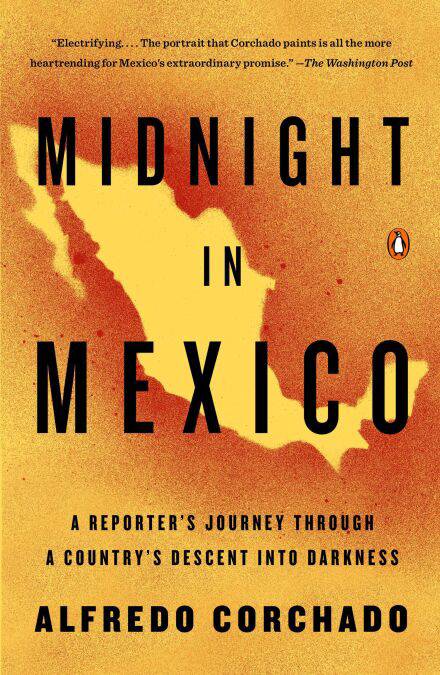
Midnight in Mexico EBOOK
A Reporter's Journey Through a Country's Descent into Darkness
Alfredo Corchado
Ebook | Anglais
13,82 €
+ 13 points
Format
Description
Named one of the best true crime books of all time by Time
In the last six years, more than eighty thousand people have been killed in the Mexican drug war, and drug trafficking there is a multibillion-dollar business. In a country where the powerful are rarely scrutinized, noted Mexican American journalist Alfredo Corchado refuses to shrink from reporting on government corruption, murders in Juarez, or the ruthless drug cartels of Mexico. A paramilitary group spun off from the Gulf cartel, the Zetas, controls key drug routes in the north of the country. In 2007, Corchado received a tip that he could be their next target—and he had twenty four hours to find out if the threat was true.
Rather than leave his country, Corchado went out into the Mexican countryside to trace investigate the threat. As he frantically contacted his sources, Corchado suspected the threat was his punishment for returning to Mexico against his mother’s wishes. His parents had fled north after the death of their young daughter, and raised their children in California where they labored as migrant workers. Corchado returned to Mexico as a journalist in 1994, convinced that Mexico would one day foster political accountability and leave behind the pervasive corruption that has plagued its people for decades.
But in this land of extremes, the gap of inequality—and injustice—remains wide. Even after the 2000 election that put Mexico’s opposition party in power for the first time, the opportunities of democracy did not materialize. The powerful PRI had worked with the cartels, taking a piece of their profit in exchange for a more peaceful, and more controlled, drug trade. But the party’s long-awaited defeat created a vacuum of power in Mexico City, and in the cartel-controlled states that border the United States. The cartels went to war with one another in the mid-2000s, during the war to regain control of the country instituted by President Felipe Calderón, and only the violence flourished. The work Corchado lives for could have killed him, but he wasn't ready to leave Mexico—not then, maybe never. Midnight in Mexico is the story of one man’s quest to report the truth of his country—as he raced to save his own life.
In the last six years, more than eighty thousand people have been killed in the Mexican drug war, and drug trafficking there is a multibillion-dollar business. In a country where the powerful are rarely scrutinized, noted Mexican American journalist Alfredo Corchado refuses to shrink from reporting on government corruption, murders in Juarez, or the ruthless drug cartels of Mexico. A paramilitary group spun off from the Gulf cartel, the Zetas, controls key drug routes in the north of the country. In 2007, Corchado received a tip that he could be their next target—and he had twenty four hours to find out if the threat was true.
Rather than leave his country, Corchado went out into the Mexican countryside to trace investigate the threat. As he frantically contacted his sources, Corchado suspected the threat was his punishment for returning to Mexico against his mother’s wishes. His parents had fled north after the death of their young daughter, and raised their children in California where they labored as migrant workers. Corchado returned to Mexico as a journalist in 1994, convinced that Mexico would one day foster political accountability and leave behind the pervasive corruption that has plagued its people for decades.
But in this land of extremes, the gap of inequality—and injustice—remains wide. Even after the 2000 election that put Mexico’s opposition party in power for the first time, the opportunities of democracy did not materialize. The powerful PRI had worked with the cartels, taking a piece of their profit in exchange for a more peaceful, and more controlled, drug trade. But the party’s long-awaited defeat created a vacuum of power in Mexico City, and in the cartel-controlled states that border the United States. The cartels went to war with one another in the mid-2000s, during the war to regain control of the country instituted by President Felipe Calderón, and only the violence flourished. The work Corchado lives for could have killed him, but he wasn't ready to leave Mexico—not then, maybe never. Midnight in Mexico is the story of one man’s quest to report the truth of his country—as he raced to save his own life.
Spécifications
Parties prenantes
- Auteur(s) :
- Editeur:
Contenu
- Nombre de pages :
- 304
- Langue:
- Anglais
Caractéristiques
- EAN:
- 9781101617830
- Date de parution :
- 29-05-13
- Format:
- Ebook
- Protection digitale:
- Adobe DRM
- Format numérique:
- ePub


Seulement chez Librairie Club
+ 13 points sur votre carte client de Librairie Club
Cadeau

Cadeau


Les avis
Nous publions uniquement les avis qui respectent les conditions requises. Consultez nos conditions pour les avis.