


- Retrait en 2 heures
- Assortiment impressionnant
- Paiement sécurisé
- Toujours un magasin près de chez vous
- Retrait gratuit dans votre magasin Club
- 7.000.0000 titres dans notre catalogue
- Payer en toute sécurité
- Toujours un magasin près de chez vous

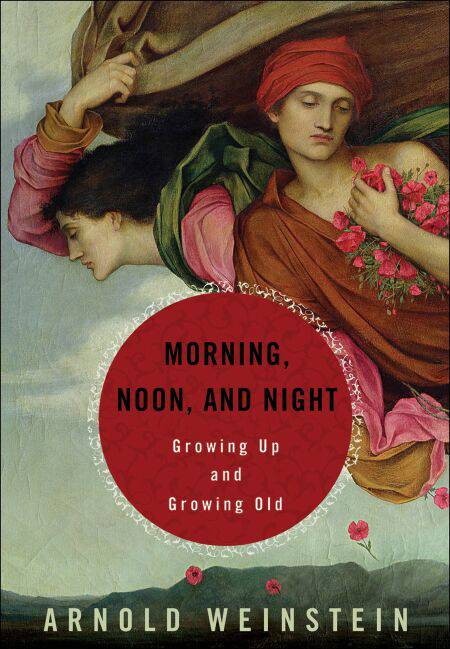
Morning, Noon, and Night EBOOK
Finding the Meaning of Life's Stages Through Books
Arnold Weinstein
Ebook | Anglais
5,75 €
+ 5 points
Description
From Homer and Shakespeare to Toni Morrison and Jonathan Safran Foer, major works of literature have a great deal to teach us about two of life’s most significant stages—growing up and growing old. Distinguised scholar Arnold Weinstein’s provocative and engaging new book, Morning, Noon, and Night, explores classic writing’s insights into coming-of-age and surrendering to time, and considers the impact of these revelations upon our lives.
With wisdom, humor, and moving personal observations, Weinstein leads us to look deep inside ourselves and these great books, to see how we can use art as both mirror and guide. He offers incisive readings of seminal novels about childhood—Huck Finn’s empathy for the runaway slave Jim illuminates a child’s moral education; Catherine and Heathcliff’s struggle with obsessive passion in Wuthering Heights is hauntingly familiar to many young lovers; Dickens’s Pip, in Great Expectations, must grapple with a world that wishes him harm; and in Marjane Satrapi’s autobiographical Persepolis, little Marjane faces a different kind of struggle—growing into adolescence as her country moves through the pain of the Iranian Revolution.
In turn, great writers also ponder the lessons learned in life’s twilight years: both King Lear and Willy Loman suffer as their patriarchal authority collapses and death creeps up; Brecht’s Mother Courage displays the inspiring indomitability of an aging woman who has “borne every possible blow. . . but is still standing, still moving.” And older love can sometimes be funny (Rip Van Winkle conveniently sleeps right through his marriage) and sometimes tragic (as J. M. Coetzee’s David Lurie learns the hard way, in Disgrace).
Tapping into the hearts and minds of memorable characters, from Sophocles’ Oedipus to Artie in Art Spiegelman’s Maus, Morning, Noon, and Night makes an eloquent and powerful case for the role of great literature as a knowing window into our lives and times. Its intelligence, passion, and genuine appreciation for the written word remind us just how crucial books are to the business of being human.
With wisdom, humor, and moving personal observations, Weinstein leads us to look deep inside ourselves and these great books, to see how we can use art as both mirror and guide. He offers incisive readings of seminal novels about childhood—Huck Finn’s empathy for the runaway slave Jim illuminates a child’s moral education; Catherine and Heathcliff’s struggle with obsessive passion in Wuthering Heights is hauntingly familiar to many young lovers; Dickens’s Pip, in Great Expectations, must grapple with a world that wishes him harm; and in Marjane Satrapi’s autobiographical Persepolis, little Marjane faces a different kind of struggle—growing into adolescence as her country moves through the pain of the Iranian Revolution.
In turn, great writers also ponder the lessons learned in life’s twilight years: both King Lear and Willy Loman suffer as their patriarchal authority collapses and death creeps up; Brecht’s Mother Courage displays the inspiring indomitability of an aging woman who has “borne every possible blow. . . but is still standing, still moving.” And older love can sometimes be funny (Rip Van Winkle conveniently sleeps right through his marriage) and sometimes tragic (as J. M. Coetzee’s David Lurie learns the hard way, in Disgrace).
Tapping into the hearts and minds of memorable characters, from Sophocles’ Oedipus to Artie in Art Spiegelman’s Maus, Morning, Noon, and Night makes an eloquent and powerful case for the role of great literature as a knowing window into our lives and times. Its intelligence, passion, and genuine appreciation for the written word remind us just how crucial books are to the business of being human.
Spécifications
Parties prenantes
- Auteur(s) :
- Editeur:
Contenu
- Nombre de pages :
- 464
- Langue:
- Anglais
Caractéristiques
- EAN:
- 9780679604471
- Date de parution :
- 14-02-11
- Format:
- Ebook
- Protection digitale:
- Adobe DRM
- Format numérique:
- ePub


Seulement chez Librairie Club
+ 5 points sur votre carte client de Librairie Club
Cadeau

Cadeau


Les avis
Nous publions uniquement les avis qui respectent les conditions requises. Consultez nos conditions pour les avis.