


- Retrait en 2 heures
- Assortiment impressionnant
- Paiement sécurisé
- Toujours un magasin près de chez vous
- Retrait en 2 heures
- Assortiment impressionnant
- Paiement sécurisé
- Toujours un magasin près de chez vous


57,95 €
+ 115 points
Description
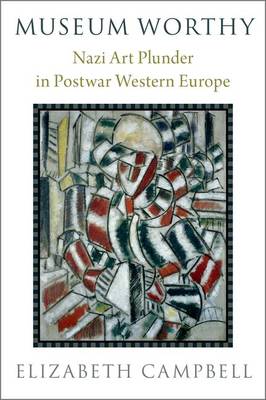
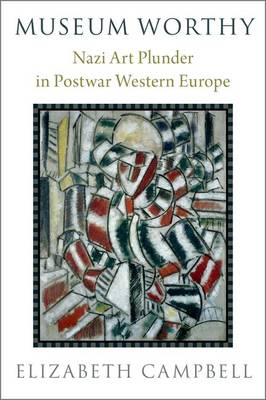
Art looting is commonly recognized as a central feature of Nazi expropriation, in both the Third Reich and occupied territories. After the war, the famed Monuments Men (and women) recovered several hundred thousand pieces from the Germans' makeshift repositories in churches, castles, and salt mines. Well publicized restitution cases, such as that of Gustav Klimt's luminous painting featured in the film Woman in Gold, illustrate the legacy of Nazi looting in the art world today. But what happened to looted art that was never returned to its rightful owners? In France, Belgium, and the Netherlands, postwar governments appropriated the most coveted unclaimed works for display in museums, embassies, ministries, and other public buildings. Following cultural property norms of the time, the governments created custodianships over the unclaimed pieces, without using archives in their possession to carry out thorough provenance (ownership) research. This policy extended the dispossession of Jewish owners wrought by the Nazis and their collaborators well into the twenty-first century. The custodianships included more than six hundred works in Belgium, five thousand works in the Netherlands, and some two thousand in France. They included paintings by traditional and modern masters, such as Rembrandt, Cranach, Rubens, Van der Weyden, Tiepolo, Picasso, and Matisse. This appropriation of plundered assets endured without controversy until the mid-1990s, when activists and journalists began challenging the governments' right to hold these items, ushering in a period of cultural property litigation that endures to this day. Including interviews that have never before been published, Museum Worthy deftly examines the appropriation of Nazi art plunder by postwar governments and highlights the increasingly successful postwar art recovery and restitution process.
Spécifications
Parties prenantes
- Auteur(s) :
- Editeur:
Contenu
- Nombre de pages :
- 360
- Langue:
- Anglais
Caractéristiques
- EAN:
- 9780190051983
- Date de parution :
- 23-01-24
- Format:
- Livre relié
- Format numérique:
- Genaaid
- Dimensions :
- 165 mm x 229 mm
- Poids :
- 657 g


Seulement chez Librairie Club
+ 115 points sur votre carte client de Librairie Club
Cadeau

Cadeau


Les avis
Nous publions uniquement les avis qui respectent les conditions requises. Consultez nos conditions pour les avis.