


En raison d'une grève chez bpost, des retards de livraison peuvent survenir. Besoin de quelque chose en urgence ? Optez pour un retrait en magasin ou rendez-vous dans une Librairie Club à proximité.
- Retrait en 2 heures
- Assortiment impressionnant
- Paiement sécurisé
- Toujours un magasin près de chez vous
En raison d'une grève chez bpost, des retards de livraison peuvent survenir. Besoin de quelque chose en urgence ? Optez pour un retrait en magasin ou rendez-vous dans une Librairie Club à proximité.
- Retrait en 2 heures
- Assortiment impressionnant
- Paiement sécurisé
- Toujours un magasin près de chez vous



195,45 €
+ 390 points
Description
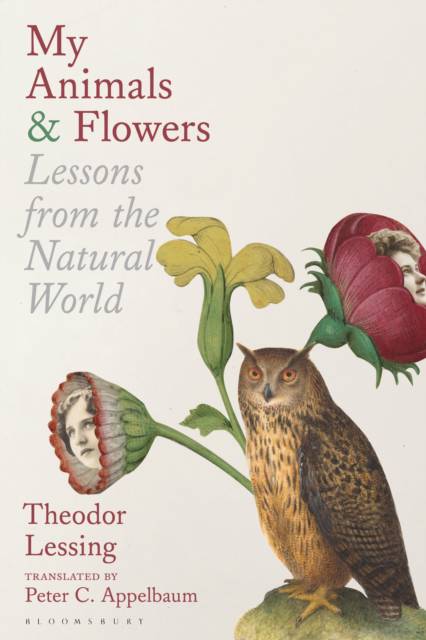
Translated into English for the first time, My Animals and Flowersbring forth Theodor Lessing's visionary philosophy of need in an idiosyncratic series of musings on the natural world, which range from light-hearted to darkly shadowed. Full of imagination, wit, and insight into the nature and history of living species, they demonstrate Lessing's brilliant ability to combine biological observation with social, psychological, political, historical, educational, and above all, philosophical thoughts.
Grimly pessimistic about human society, Lessing found both a mirror and a refuge in the world of animals and flowers. In observing nature and attributing all type of human characteristics to animals and plants, he exposes the fusing of nature and culture, and - in dialogue with the natural world - confronts a whole cluster of political questions from the question of equality for women and marital fidelity to the pollution of cities and man's destruction of the environment. Much of this work, sketching out the implications of an atomic age for example, has proved uncannily prophetic.
To read this book is to enter into a curious and deeply sensitive world, in which to peer down at a colony of ants is to be reminded of 'giant nations, each in conflict with the others', and to catch a glimpse of bright poppies in a cornfield is to be submerged in a chain of thoughts from St Augustine to David Hume. Amongst the autobiographical reflections, Lessing weaves in critical observations of Western civilization, and critique of human culture as a destructive and disfiguring influence in the natural world. Ultimately, his philosophy of need shows how civilization comes at the expense of nature, ringing true with the climate of our times.
Grimly pessimistic about human society, Lessing found both a mirror and a refuge in the world of animals and flowers. In observing nature and attributing all type of human characteristics to animals and plants, he exposes the fusing of nature and culture, and - in dialogue with the natural world - confronts a whole cluster of political questions from the question of equality for women and marital fidelity to the pollution of cities and man's destruction of the environment. Much of this work, sketching out the implications of an atomic age for example, has proved uncannily prophetic.
To read this book is to enter into a curious and deeply sensitive world, in which to peer down at a colony of ants is to be reminded of 'giant nations, each in conflict with the others', and to catch a glimpse of bright poppies in a cornfield is to be submerged in a chain of thoughts from St Augustine to David Hume. Amongst the autobiographical reflections, Lessing weaves in critical observations of Western civilization, and critique of human culture as a destructive and disfiguring influence in the natural world. Ultimately, his philosophy of need shows how civilization comes at the expense of nature, ringing true with the climate of our times.
Spécifications
Parties prenantes
- Auteur(s) :
- Traducteur(s):
- Editeur:
Contenu
- Nombre de pages :
- 336
- Langue:
- Anglais
Caractéristiques
- EAN:
- 9781350526785
- Date de parution :
- 22-01-26
- Format:
- Livre relié
- Format numérique:
- Genaaid
- Dimensions :
- 156 mm x 234 mm
- Poids :
- 639 g


Seulement chez Librairie Club
+ 390 points sur votre carte client de Librairie Club
Cadeau


Les avis
Nous publions uniquement les avis qui respectent les conditions requises. Consultez nos conditions pour les avis.