


- Retrait en 2 heures
- Assortiment impressionnant
- Paiement sécurisé
- Toujours un magasin près de chez vous
- Retrait gratuit dans votre magasin Club
- 7.000.0000 titres dans notre catalogue
- Payer en toute sécurité
- Toujours un magasin près de chez vous



95,00 €
+ 190 points
Format
Description
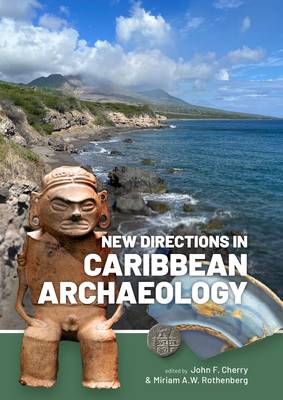
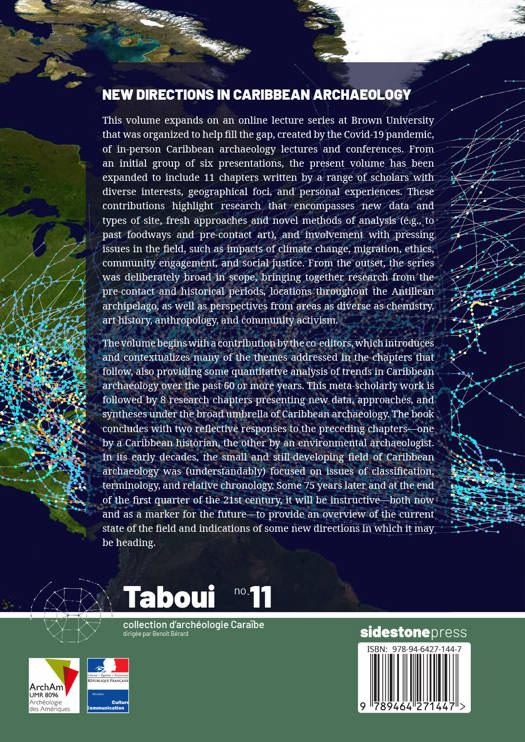
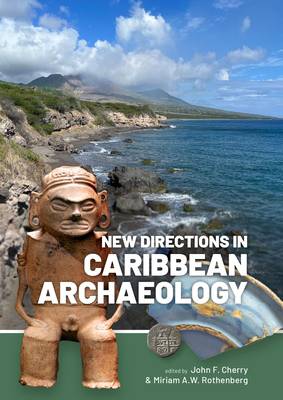
This volume expands on an online lecture series at Brown University that was organized to help fill the gap, created by the Covid-19 pandemic, of in-person Caribbean archaeology lectures and conferences. From an initial group of six presentations, the present volume has been expanded to include 11 chapters written by a range of scholars with diverse interests, geographical foci, and personal experiences. These contributions highlight research that encompasses new data and types of site, fresh approaches and novel methods of analysis (e.g., to past foodways and pre-contact art), and involvement with pressing issues in the field, such as impacts of climate change, migration, ethics, community engagement, and social justice. From the outset, the series was deliberately broad in scope, bringing together research from the pre-contact and historical periods, locations throughout the Antillean archipelago, as well as perspectives from areas as diverse as chemistry, art history, anthropology, and community activism.
The volume begins with a contribution by the co-editors, which introduces and contextualizes many of the themes addressed in the chapters that follow, also providing some quantitative analysis of trends in Caribbean archaeology over the past 60 or more years. This meta-scholarly work is followed by 8 research chapters presenting new data, approaches, and syntheses under the broad umbrella of Caribbean archaeology. The book concludes with two reflective responses to the preceding chapters--one by a Caribbean historian, the other by an environmental archaeologist. In its early decades, the small and still-developing field of Caribbean archaeology was (understandably) focused on issues of classification, terminology, and relative chronology. Some 75 years later and at the end of the first quarter of the 21st century, it will be instructive--both now and as a marker for the future--to provide an overview of the current state of the field and indications of some new directions in which it may be heading.
The volume begins with a contribution by the co-editors, which introduces and contextualizes many of the themes addressed in the chapters that follow, also providing some quantitative analysis of trends in Caribbean archaeology over the past 60 or more years. This meta-scholarly work is followed by 8 research chapters presenting new data, approaches, and syntheses under the broad umbrella of Caribbean archaeology. The book concludes with two reflective responses to the preceding chapters--one by a Caribbean historian, the other by an environmental archaeologist. In its early decades, the small and still-developing field of Caribbean archaeology was (understandably) focused on issues of classification, terminology, and relative chronology. Some 75 years later and at the end of the first quarter of the 21st century, it will be instructive--both now and as a marker for the future--to provide an overview of the current state of the field and indications of some new directions in which it may be heading.
Spécifications
Parties prenantes
- Auteur(s) :
- Editeur:
Contenu
- Nombre de pages :
- 286
- Langue:
- Anglais
- Collection :
Caractéristiques
- EAN:
- 9789464271454
- Date de parution :
- 30-04-26
- Format:
- Livre relié
- Format numérique:
- Genaaid
- Dimensions :
- 178 mm x 254 mm


Seulement chez Librairie Club
+ 190 points sur votre carte client de Librairie Club
Cadeau

Cadeau


Les avis
Nous publions uniquement les avis qui respectent les conditions requises. Consultez nos conditions pour les avis.