


- Retrait en 2 heures
- Assortiment impressionnant
- Paiement sécurisé
- Toujours un magasin près de chez vous
- Retrait en 2 heures
- Assortiment impressionnant
- Paiement sécurisé
- Toujours un magasin près de chez vous



53,00 €
+ 106 points
Description
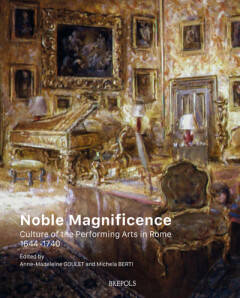
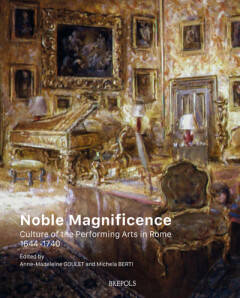
The thirty chapters in this book are based on the work of an international, multidisciplinary team of researchers and archivists brought together for the PerformArt project, funded by the European Research Council from 2016 to 2022. This project investigated the artistic patronage of the great Roman aristocratic families of the seventeenth and eighteenth centuries through research in the extant archives. After the accession to the papal throne of Innocent X in 1644, and more so after the Peace of the Pyrenees in 1659 - which led to a greater loss of power for the pope in his relations with other European states - the Roman families stepped up their efforts to assert their social preeminence not only through architecture and the fine arts, but also through the ephemeral performing arts: music, theatre, and dance, which were omnipresent throughout the year and especially during the intense period of artistic production that was the Roman Carnival. The search for traces of these spectacles in the archives of these families reveals that their desire to display their magnificence - an ideal well documented in the literature of the period - gave rise to lavish expenditure on a scale that could only be justified by the benefits (if not tangible, then at least symbolic) they hoped to gain. The essays in this book, which draw on social economic history, the history of ideas, and the evolving artistic practices of the time, make a major contribution to our knowledge of courtly societies in Ancien Regime Europe by integrating the performing arts into their analyses in innovative ways.
Spécifications
Parties prenantes
- Auteur(s) :
- Editeur:
Contenu
- Nombre de pages :
- 619
- Langue:
- Anglais
- Collection :
Caractéristiques
- EAN:
- 9782503613123
- Date de parution :
- 29-08-24
- Format:
- Livre broché
- Format numérique:
- Trade paperback (VS)
- Poids :
- 2785 g


Seulement chez Librairie Club
+ 106 points sur votre carte client de Librairie Club
Cadeau


Les avis
Nous publions uniquement les avis qui respectent les conditions requises. Consultez nos conditions pour les avis.