


- Retrait en 2 heures
- Assortiment impressionnant
- Paiement sécurisé
- Toujours un magasin près de chez vous
- Retrait gratuit dans votre magasin Club
- 7.000.0000 titres dans notre catalogue
- Payer en toute sécurité
- Toujours un magasin près de chez vous



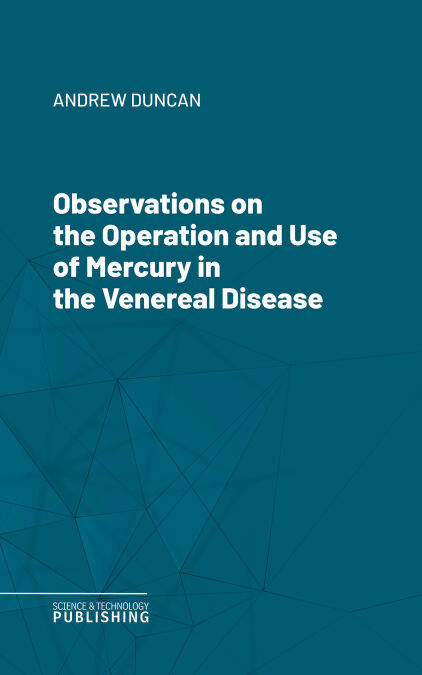
Observations on the Operation and Use of Mercury in the Venereal Disease EBOOK
Duncan
Ebook | Anglais
19,99 €
+ 19 points
Description
Observations on the Operation and Use of Mercury in the Venereal Disease is a seminal medical treatise authored by John Hunter, one of the most influential surgeons and medical thinkers of the 18th century. First published in 1786, this work offers a comprehensive and detailed examination of the use of mercury as a treatment for venereal diseases, particularly syphilis, which was a widespread and devastating affliction in Europe at the time. Drawing on his extensive clinical experience and careful observation, Hunter discusses the physiological effects of mercury on the human body, the various methods of administration, and the potential dangers and side effects associated with its use. Hunter’s approach is methodical and empirical, emphasizing the importance of observation, experimentation, and critical analysis over blind adherence to tradition. He meticulously documents case studies, treatment outcomes, and the progression of symptoms, providing valuable insights into the nature of venereal diseases and the challenges of their management. The book also explores the controversies and debates surrounding mercury therapy, including its efficacy, appropriate dosage, and the risk of mercury poisoning. In addition to its clinical content, Observations on the Operation and Use of Mercury in the Venereal Disease reflects the broader intellectual currents of the Enlightenment, advocating for scientific rigor, skepticism, and the advancement of medical knowledge through reasoned inquiry. Hunter’s clear and direct prose makes the work accessible to both medical professionals and educated lay readers, and his influence can be seen in the subsequent development of modern medical science. This book remains a landmark in the history of medicine, offering a fascinating window into 18th-century medical practice, the treatment of sexually transmitted infections, and the evolving understanding of pharmacology and toxicology. For historians, medical professionals, and anyone interested in the development of scientific medicine, Hunter’s observations provide an invaluable resource and a testament to the enduring quest for effective and humane treatments.
Spécifications
Parties prenantes
- Auteur(s) :
- Editeur:
Contenu
- Langue:
- Anglais
Caractéristiques
- EAN:
- 9782528120613
- Date de parution :
- 31-08-25
- Format:
- Ebook
- Protection digitale:
- /
- Format numérique:
- ePub


Seulement chez Librairie Club
+ 19 points sur votre carte client de Librairie Club
Cadeau

Cadeau


Les avis
Nous publions uniquement les avis qui respectent les conditions requises. Consultez nos conditions pour les avis.