


- Retrait en 2 heures
- Assortiment impressionnant
- Paiement sécurisé
- Toujours un magasin près de chez vous
- Retrait en 2 heures
- Assortiment impressionnant
- Paiement sécurisé
- Toujours un magasin près de chez vous



Description
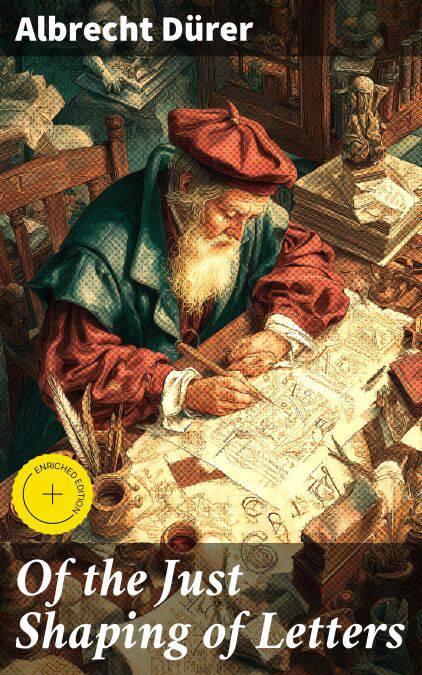
Albrecht Dürer's "Of the Just Shaping of Letters" explores the intersection of artistic precision and the philosophy of typography during the Renaissance, underscoring a pivotal moment in the evolution of graphic design. Dürer elaborates on the proportionality and aesthetic principles underlying letterforms, blending utilitarian craftsmanship with a profound understanding of geometry. Written in a scholarly yet accessible style, the text is an exquisite reflection of humanist thought and the burgeoning interest in the visual arts, emphasizing the role of lettering in artistic expression and communication. Albrecht Dürer (1471-1528), a master painter and printmaker, is celebrated for his meticulous attention to detail and innovative techniques. His background in both the fine arts and the emerging field of printmaking helped shape his perspectives on design. Influenced by the intellectual currents of his time and his travels across Europe, Dürer sought to elevate the craft of typography, recognizing its vital role in the dissemination of knowledge and culture. This seminal work is essential reading for scholars, graphic designers, and history enthusiasts alike. Dürer's meticulous exploration of letter design not only enriches our understanding of Renaissance artistry but also serves as a timeless guide to the beauty and discipline inherent in typography. Readers will find inspiration in Dürer's fusion of artistic vision and intellectual rigor.
In this enriched edition, we have carefully created added value for your reading experience:
- A succinct Introduction situates the work's timeless appeal and themes.
- The Synopsis outlines the central plot, highlighting key developments without spoiling critical twists.
- A detailed Historical Context immerses you in the era's events and influences that shaped the writing.
- An Author Biography reveals milestones in the author's life, illuminating the personal insights behind the text.
- A thorough Analysis dissects symbols, motifs, and character arcs to unearth underlying meanings.
- Reflection questions prompt you to engage personally with the work's messages, connecting them to modern life.
- Hand‐picked Memorable Quotes shine a spotlight on moments of literary brilliance.
- Interactive footnotes clarify unusual references, historical allusions, and archaic phrases for an effortless, more informed read.
In this enriched edition, we have carefully created added value for your reading experience:
- A succinct Introduction situates the work's timeless appeal and themes.
- The Synopsis outlines the central plot, highlighting key developments without spoiling critical twists.
- A detailed Historical Context immerses you in the era's events and influences that shaped the writing.
- An Author Biography reveals milestones in the author's life, illuminating the personal insights behind the text.
- A thorough Analysis dissects symbols, motifs, and character arcs to unearth underlying meanings.
- Reflection questions prompt you to engage personally with the work's messages, connecting them to modern life.
- Hand‐picked Memorable Quotes shine a spotlight on moments of literary brilliance.
- Interactive footnotes clarify unusual references, historical allusions, and archaic phrases for an effortless, more informed read.
Spécifications
Parties prenantes
- Auteur(s) :
- Traducteur(s):
- Editeur:
Contenu
- Nombre de pages :
- 742
- Langue:
- Anglais
Caractéristiques
- EAN:
- 4057664182432
- Date de parution :
- 19-11-19
- Format:
- Ebook
- Protection digitale:
- Digital watermarking
- Format numérique:
- ePub



Seulement chez Librairie Club
Cadeau


Les avis
Nous publions uniquement les avis qui respectent les conditions requises. Consultez nos conditions pour les avis.