


- Retrait en 2 heures
- Assortiment impressionnant
- Paiement sécurisé
- Toujours un magasin près de chez vous
- Retrait gratuit dans votre magasin Club
- 7.000.0000 titres dans notre catalogue
- Payer en toute sécurité
- Toujours un magasin près de chez vous



15,65 €
+ 15 points
Description
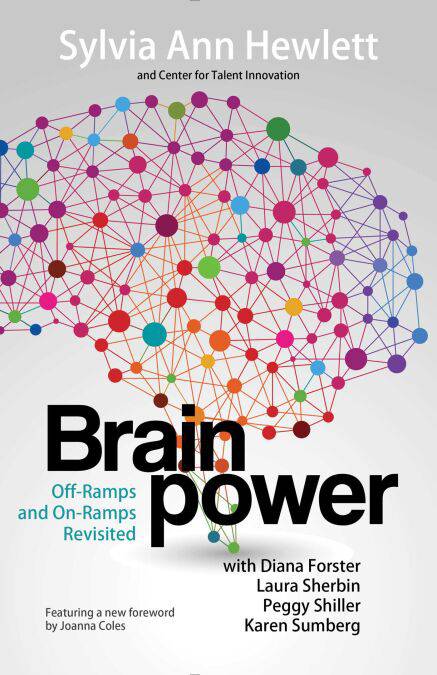
The findings were announced at The New York Times auditorium with presentations by Sylvia Ann Hewlett, one of the authors of the study and Founder and President of The Center for Work Life Policy, and Lisa Belkin, the author of the New York Times Magazine cover story "The Opt-Out Revolution” which caused a media firestorm about time-outs from careers ("off-ramping”) in 2003 and inspired the Center’s first study of the trend in 2005. Since the recession, the study found, timeouts or "off-ramping” from a career for childcare or other reasons have become increasingly unaffordable to women whose income has become increasingly important to family budgets. Getting back into the workforce after a timeout has become even more difficult. 73% percent of women trying to return to the workforce after a voluntary timeout for childcare or other reasons have trouble finding a job. Those who do return lose 16 percent of their earning power and over a quarter report a decrease in their management responsibilities and 22 percent had to step down to a lower job title. And many women can’t sustain the increased hours at most jobs today when saddled with an uneven share of family childcare and household responsibilities. Unless companies facilitate off-ramping and on-ramping more effectively, women’s earning power and promotion opportunities will never measure up to the linear, lock-step progression of male careers. And over the long term, companies will lose out on the valuable contributions of women, who represent 58% of the highly credentialed talent pool. "As women experience difficulty getting back on the career track, confidence and ambition stall, and many women end up downsizing their dreams,” says Hewlett. "Five years after the original study, this research continues to have profound implications: off-ramps and on-ramps are here to stay and employers should sit up and pay attention or suffer the consequences of sidelining and side-swiping 58 percent of the highly credentialed talent pool.”
Spécifications
Parties prenantes
- Auteur(s) :
- Editeur:
Contenu
- Nombre de pages :
- 128
- Langue:
- Anglais
- Collection :
Caractéristiques
- EAN:
- 9780988745650
- Date de parution :
- 07-10-13
- Format:
- Ebook
- Protection digitale:
- Adobe DRM
- Format numérique:
- ePub


Seulement chez Librairie Club
+ 15 points sur votre carte client de Librairie Club

Les avis
Nous publions uniquement les avis qui respectent les conditions requises. Consultez nos conditions pour les avis.