


- Retrait en 2 heures
- Assortiment impressionnant
- Paiement sécurisé
- Toujours un magasin près de chez vous
- Retrait gratuit dans votre magasin Club
- 7.000.0000 titres dans notre catalogue
- Payer en toute sécurité
- Toujours un magasin près de chez vous



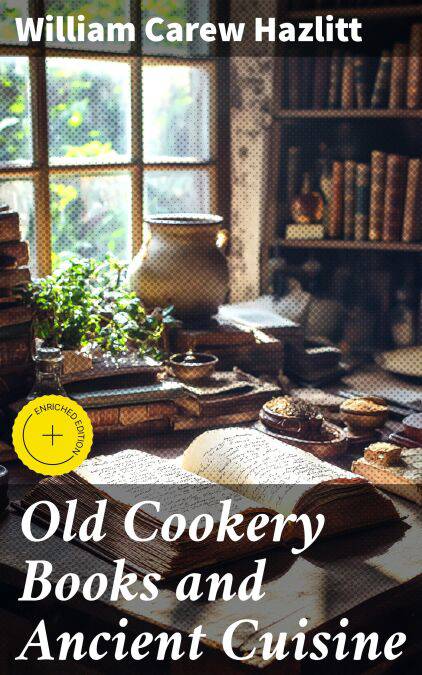
Old Cookery Books and Ancient Cuisine EBOOK
Enriched edition. Exploring Culinary Heritage Through Antique Cookbooks and Recipes
William Carew Hazlitt
Ebook | Anglais
0,99 €
Description
In "Old Cookery Books and Ancient Cuisine," William Carew Hazlitt delves into the rich tapestry of historical gastronomy, examining cookbooks and culinary practices from bygone eras. Through a meticulous exploration of texts ranging from medieval manuscripts to early modern print, Hazlitt combines literary analysis with gastronomic history, illuminating the evolution of cooking practices and the cultural significance of food. His prose captures the nuances of the English language while interweaving personal anecdotes that enrich the narrative, enticing readers with vivid depictions of ancient recipes and culinary customs. William Carew Hazlitt (1834-1913), a notable literary figure and descendant of the famed essayist William Hazlitt, pervaded his writings with a deep appreciation for literature and history. His own experiences and interests, particularly in the arts and culinary heritage, shaped his pursuit of understanding how food interlaces with society. The blend of scholarly rigor and personal engagement in this work not only reflects his research but also communicates his passion for preserving culinary traditions. For readers intrigued by the intersections of culture, history, and literature, "Old Cookery Books and Ancient Cuisine" serves as an essential guide. Hazlitt's insightful examination offers a charming and informative perspective that invites culinary enthusiasts, historians, and general readers alike to explore the gastronomic past and its resonances in modern cuisine.
In this enriched edition, we have carefully created added value for your reading experience:
- A succinct Introduction situates the work's timeless appeal and themes.
- The Synopsis outlines the central plot, highlighting key developments without spoiling critical twists.
- A detailed Historical Context immerses you in the era's events and influences that shaped the writing.
- An Author Biography reveals milestones in the author's life, illuminating the personal insights behind the text.
- A thorough Analysis dissects symbols, motifs, and character arcs to unearth underlying meanings.
- Reflection questions prompt you to engage personally with the work's messages, connecting them to modern life.
- Hand‐picked Memorable Quotes shine a spotlight on moments of literary brilliance.
- Interactive footnotes clarify unusual references, historical allusions, and archaic phrases for an effortless, more informed read.
In this enriched edition, we have carefully created added value for your reading experience:
- A succinct Introduction situates the work's timeless appeal and themes.
- The Synopsis outlines the central plot, highlighting key developments without spoiling critical twists.
- A detailed Historical Context immerses you in the era's events and influences that shaped the writing.
- An Author Biography reveals milestones in the author's life, illuminating the personal insights behind the text.
- A thorough Analysis dissects symbols, motifs, and character arcs to unearth underlying meanings.
- Reflection questions prompt you to engage personally with the work's messages, connecting them to modern life.
- Hand‐picked Memorable Quotes shine a spotlight on moments of literary brilliance.
- Interactive footnotes clarify unusual references, historical allusions, and archaic phrases for an effortless, more informed read.
Spécifications
Parties prenantes
- Auteur(s) :
- Editeur:
Contenu
- Nombre de pages :
- 895
- Langue:
- Anglais
Caractéristiques
- EAN:
- 4057664153845
- Date de parution :
- 19-11-19
- Format:
- Ebook
- Protection digitale:
- Digital watermarking
- Format numérique:
- ePub



Seulement chez Librairie Club
Cadeau

Cadeau


Les avis
Nous publions uniquement les avis qui respectent les conditions requises. Consultez nos conditions pour les avis.