


- Retrait en 2 heures
- Assortiment impressionnant
- Paiement sécurisé
- Toujours un magasin près de chez vous
- Retrait en 2 heures
- Assortiment impressionnant
- Paiement sécurisé
- Toujours un magasin près de chez vous



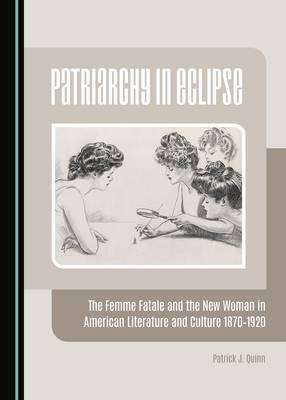
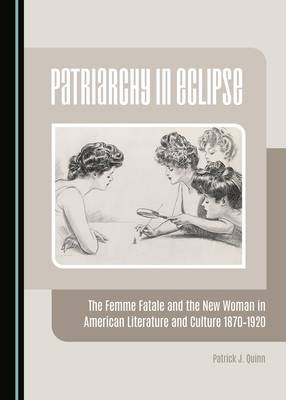
Patriarchy in Eclipse
The Femme Fatale and the New Woman in American Literature and Culture 1870-1920
Patrick J Quinn
Livre relié | Anglais
138,95 €
+ 277 points
Description
There can be little doubt that after the American Civil War, a significant number of largely urban American women's relationships with men began to change. This transition was brought about through many changing conditions in American society that were predicated by socio-economic considerations such as female education, large scale immigration from Europe which challenged traditional American values, the onset of large scale consumerism, and the erosion of the narrow religious moralism which previously restricted the female role in a burgeoning urban landscape. This book examines one particular manifestation of upheaval in American society: the appearance in literature and art of two distinct types of women who challenged the dominant patriarchal culture from the Civil War to just after the conclusion of World War One. The book looks primarily at the literary depiction of the femme fatale and the New Woman, and also dedicates chapters to their influences in fine art and music. The question as to why these two female types precipitated so much intellectual and artistic angst in their educated male readers is further considered. The book traces these two distinct categories of heroines as they make inroads into the preserve of male domination, and examines the various defenses male writers and artists used to slow down the pace of female emancipation both sexually and socially. Along the way, the book looks at the way in which the 1893 Columbian Exhibition in Chicago unexpectedly encouraged further female advancement, how Wagner's operas gave women greater confidence toward self-fulfillment, and how Otto Weininger's outrageous teachings managed to stem the tide of American female emancipation for a short time. The book surveys how the appearance of the Gibson Girl, the bicycle, and even the advent of bloomers were depicted in literature and supported the advent of this New Woman until she was grudgingly accepted despite philosophical warnings that the female agenda included a plan to destroy masculinity and make men subservient to the female rule. The book concludes with a discussion of F. Scott Fitzgerald's The Beautiful and the Damned where the reader observes the complete destruction of the decadent-inclined Anthony Patch by a siren with no heart or introspection.
Spécifications
Parties prenantes
- Auteur(s) :
- Editeur:
Contenu
- Nombre de pages :
- 225
- Langue:
- Anglais
Caractéristiques
- EAN:
- 9781443876513
- Date de parution :
- 15-05-15
- Format:
- Livre relié
- Format numérique:
- Genaaid
- Dimensions :
- 152 mm x 203 mm
- Poids :
- 235 g


Seulement chez Librairie Club
+ 277 points sur votre carte client de Librairie Club
Cadeau


Les avis
Nous publions uniquement les avis qui respectent les conditions requises. Consultez nos conditions pour les avis.