


- Retrait en 2 heures
- Assortiment impressionnant
- Paiement sécurisé
- Toujours un magasin près de chez vous
- Retrait en 2 heures
- Assortiment impressionnant
- Paiement sécurisé
- Toujours un magasin près de chez vous



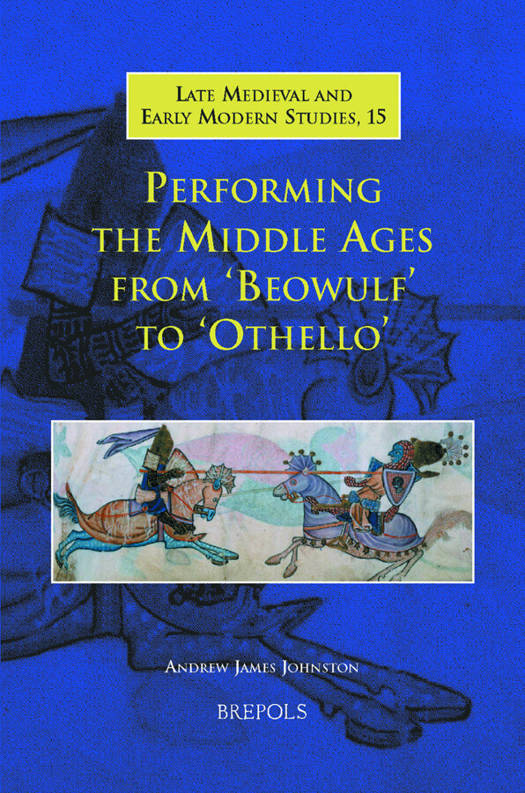
Performing the Middle Ages from Beowulf to Othello
Andrew James Johnston
47,70 €
+ 95 points
Description
Performing the Middle Ages from 'Beowulf' to 'Othello' traces the dialogic nature of the relationship between the Middle Ages and modernity. Arguing that modern beliefs in the alterity of the Middle Ages stem from the Middle Ages' own processes of self-representation, Johnston explores varieties of nostalgia through a wide selection of texts. This volume spans an extensive chronological period with a view to demonstrating how our notions of the medieval have been crucially informed by the past itself. The study is focused on works which stage that popular literary archetype - the nostalgic figure of the aristocratic warrior - and argues that it is this image that provides a structural model for so many modern perspectives on the Middle Ages. And yet, in the Middle Ages this model was being deconstructed as it was also being generated. By moving from the self-consciously archaic heroism of Beowulf to the scathing comment on chivalric narrative presented in Chaucer's 'Knight's Tale', Johnston's analysis offers an intriguing insight into the way medieval texts engage in a continual aesthetic and ideological critique of their own cultural moment. Using Sir Gawain and the Green Knight and the Alliterative Morte Arthure as examples of an incisive critique of the cult of subjectivity and of a highly self-conscious desire for tradition, Johnston extends his analysis to the early seventeenth century, and explores the ways in which Shakespeare's Othello brilliantly deconstructs the very concept of 'Renaissance Man'. With its interest in issues of subjectivity, textual performance, and the ideological self-awareness of medieval culture, Performing the Middle Ages provides a scholarly and compelling investigation into the Middle Ages' ability both to understand itself and to shape (post)modern notions of the medieval.
Spécifications
Parties prenantes
- Auteur(s) :
- Editeur:
Contenu
- Nombre de pages :
- 352
- Langue:
- Anglais
- Collection :
- Tome:
- n° 15
Caractéristiques
- EAN:
- 9782503527550
- Date de parution :
- 01-09-09
- Format:
- Livre relié
- Format numérique:
- Ongenaaid / garenloos gebonden
- Dimensions :
- 163 mm x 241 mm
- Poids :
- 748 g


Seulement chez Librairie Club
+ 95 points sur votre carte client de Librairie Club
Cadeau


Les avis
Nous publions uniquement les avis qui respectent les conditions requises. Consultez nos conditions pour les avis.