


En raison d'une grève chez bpost, des retards de livraison peuvent survenir. Besoin de quelque chose en urgence ? Optez pour un retrait en magasin ou rendez-vous dans une Librairie Club à proximité.
- Retrait en 2 heures
- Assortiment impressionnant
- Paiement sécurisé
- Toujours un magasin près de chez vous
En raison d'une grève chez bpost, des retards de livraison peuvent survenir. Besoin de quelque chose en urgence ? Optez pour un retrait en magasin ou rendez-vous dans une Librairie Club à proximité.
- Retrait en 2 heures
- Assortiment impressionnant
- Paiement sécurisé
- Toujours un magasin près de chez vous



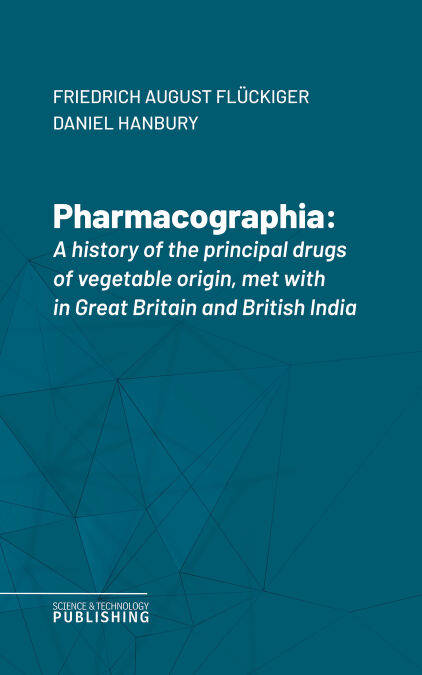
Pharmacographia EBOOK
A history of the principal drugs of vegetable origin, met with in Great Britain and British India
Friedrich August Flückiger, Daniel Hanbury
Ebook | Anglais
19,99 €
Format
Description
Pharmacographia: A History of the Principal Drugs of Vegetable Origin, Met with in Great Britain and British India is a comprehensive and authoritative reference work authored by Friedrich August Flückiger and Daniel Hanbury. First published in 1874, this seminal volume meticulously documents the botanical, chemical, and pharmacological properties of the most significant plant-derived drugs used in British and Indian medical practice during the 19th century. Drawing on extensive research and firsthand observations, the authors provide detailed descriptions of each plant, including its botanical characteristics, geographical distribution, methods of cultivation and harvesting, and the processes involved in preparing the drug for medicinal use. The book is organized systematically, covering a wide range of plant families and species, from well-known remedies such as opium, cinchona, and digitalis, to lesser-known botanicals that played crucial roles in traditional and contemporary medicine. Each entry includes historical context, tracing the origins and evolution of the drug’s use, as well as its introduction into European and Indian pharmacopoeias. The authors also discuss issues of quality, adulteration, and commerce, offering insights into the global trade networks that shaped the availability and standardization of these vital substances. Richly illustrated with botanical drawings and diagrams, Pharmacographia serves as both a scientific treatise and a historical record, reflecting the intersection of botany, chemistry, and medicine in the Victorian era. It remains an invaluable resource for historians of science, pharmacists, botanists, and anyone interested in the origins and development of herbal medicine. The book’s meticulous scholarship and global perspective make it a landmark in the literature of pharmacognosy and a testament to the enduring importance of plant-based remedies in human health.
Spécifications
Parties prenantes
- Auteur(s) :
- Editeur:
Contenu
- Langue:
- Anglais
Caractéristiques
- EAN:
- 9782528120415
- Date de parution :
- 31-08-25
- Format:
- Ebook
- Protection digitale:
- /
- Format numérique:
- ePub


Seulement chez Librairie Club
Cadeau


Les avis
Nous publions uniquement les avis qui respectent les conditions requises. Consultez nos conditions pour les avis.