


- Retrait en 2 heures
- Assortiment impressionnant
- Paiement sécurisé
- Toujours un magasin près de chez vous
- Retrait en 2 heures
- Assortiment impressionnant
- Paiement sécurisé
- Toujours un magasin près de chez vous



158,95 €
+ 317 points
Description
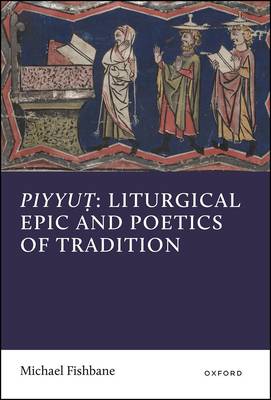
This volume is a study of Jewish liturgical poetry (Piyyuṭ) from late antiquity in Byzantine Palestine (5-6th century CE) through 11th century in Ashkenaz (Rhineland) and in northern Egypt. This poetry is based on synagogue lectionaries composed for the Sabbath and Festivals of the Jewish ritual calendar year. The central focus is on the various genres of these liturgies and their expansion into forms of prosodic epic (from short, dense quatrains to expanded prosodic recitations that exceed hundreds of lines). Because the basis of these prayer-poems are rooted in the lectionary cycles of Scripture, and its epical account of ancient Israelite history, the liturgies transform these sources into rhymed and poetical forms in various types of epic prosody. These liturgies are thoroughly impacted by the exposition of these Scriptural sources and accounts throughout the voluminous corpus of rabbinic biblical exegesis (Midrash). Examination of the transformation of Scriptural narratives into poetic formulations constitutes the poetics of tradition, fully studied (in many genres) in this work. The entire study has thematic coherence by focusing on the major biblical topic of the Exodus (especially Exodus 3-15: the Israelite servitude in Egypt; the plagues against the Egyptians and their doom; and the miracles for the people of Israel and their manumission and redemption). Thus the book emphasizes the liturgical poetics of the Exodus events, using exemplary texts from the most exemplary poets (like Yannai, Qillir, Rabbi Shim'on Ha-Gadol, and Rabbi Yosef ibn Abitur). A long introduction puts the phenomenon of religious liturgical poetry into context; whereas the conclusion reviews compositional features and the significance of this millennial cultural achievement. This is the first book of its type and scope.
Spécifications
Parties prenantes
- Auteur(s) :
- Editeur:
Contenu
- Nombre de pages :
- 304
- Langue:
- Anglais
Caractéristiques
- EAN:
- 9780198718420
- Date de parution :
- 07-10-26
- Format:
- Livre relié
- Format numérique:
- Genaaid
- Dimensions :
- 156 mm x 234 mm


Seulement chez Librairie Club
+ 317 points sur votre carte client de Librairie Club
Cadeau


Les avis
Nous publions uniquement les avis qui respectent les conditions requises. Consultez nos conditions pour les avis.