


- Retrait en 2 heures
- Assortiment impressionnant
- Paiement sécurisé
- Toujours un magasin près de chez vous
- Retrait gratuit dans votre magasin Club
- 7.000.0000 titres dans notre catalogue
- Payer en toute sécurité
- Toujours un magasin près de chez vous



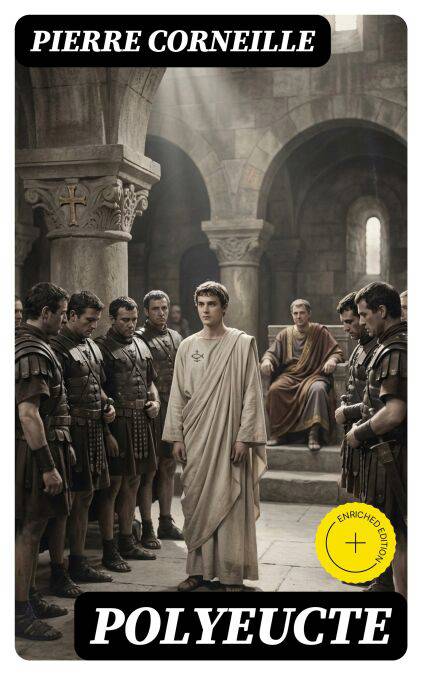
Description
In Pierre Corneille's gripping tragedy, "Polyeucte," the playwright explores themes of faith, sacrifice, and the struggle between personal conviction and societal pressures. Set against the backdrop of Roman-occupied Armenia, the narrative follows the titular character, Polyeucte, who embraces martyrdom to express his unwavering belief in Christianity. Corneille's use of elevated language and dramatic monologues enhances the emotional intensity, allowing readers to delve into the moral dilemmas faced by the characters. The play, emerging from the early 17th-century French classical tradition, challenges the conventions of heroic tragedy by intertwining personal agency with divine purpose, making it a pivotal work in the development of French drama. Pierre Corneille (1606-1684) stands as one of the foremost figures in French literature, often deemed the father of French tragedy. His innovative treatment of themes concerning honor, duty, and individualism reflects his own experiences in a time of political unrest and cultural upheaval. "Polyeucte," written in 1640, showcases Corneille's philosophical engagement with ethical quandaries, which was influenced by his own Catholic faith and the tensions between religious fervor and reason during the Enlightenment. "Polyeucte" deserves recognition for its profound exploration of spiritual courage and the human condition. Readers seeking a compelling blend of philosophical inquiry and dramatic narrative will find this play both challenging and rewarding. Corneille's masterful construction of character and dialogue invites thoughtful reflection, making it a must-read for those interested in the evolution of tragedy and the exploration of faith's complexities.
In this enriched edition, we have carefully created added value for your reading experience:
- A succinct Introduction situates the work's timeless appeal and themes.
- The Synopsis outlines the central plot, highlighting key developments without spoiling critical twists.
- A detailed Historical Context immerses you in the era's events and influences that shaped the writing.
- An Author Biography reveals milestones in the author's life, illuminating the personal insights behind the text.
- A thorough Analysis dissects symbols, motifs, and character arcs to unearth underlying meanings.
- Reflection questions prompt you to engage personally with the work's messages, connecting them to modern life.
- Hand‐picked Memorable Quotes shine a spotlight on moments of literary brilliance.
- Interactive footnotes clarify unusual references, historical allusions, and archaic phrases for an effortless, more informed read.
In this enriched edition, we have carefully created added value for your reading experience:
- A succinct Introduction situates the work's timeless appeal and themes.
- The Synopsis outlines the central plot, highlighting key developments without spoiling critical twists.
- A detailed Historical Context immerses you in the era's events and influences that shaped the writing.
- An Author Biography reveals milestones in the author's life, illuminating the personal insights behind the text.
- A thorough Analysis dissects symbols, motifs, and character arcs to unearth underlying meanings.
- Reflection questions prompt you to engage personally with the work's messages, connecting them to modern life.
- Hand‐picked Memorable Quotes shine a spotlight on moments of literary brilliance.
- Interactive footnotes clarify unusual references, historical allusions, and archaic phrases for an effortless, more informed read.
Spécifications
Parties prenantes
- Auteur(s) :
- Traducteur(s):
- Editeur:
Contenu
- Nombre de pages :
- 39
- Langue:
- Anglais
Caractéristiques
- EAN:
- 8596547374824
- Date de parution :
- 15-09-22
- Format:
- Ebook
- Protection digitale:
- Digital watermarking
- Format numérique:
- ePub


Seulement chez Librairie Club
Cadeau

Cadeau


Les avis
Nous publions uniquement les avis qui respectent les conditions requises. Consultez nos conditions pour les avis.