


- Retrait en 2 heures
- Assortiment impressionnant
- Paiement sécurisé
- Toujours un magasin près de chez vous
- Retrait en 2 heures
- Assortiment impressionnant
- Paiement sécurisé
- Toujours un magasin près de chez vous



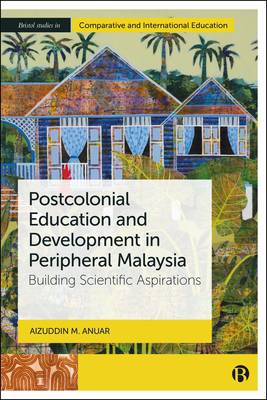
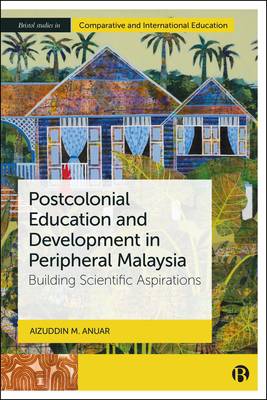
Postcolonial Education and Development in Peripheral Malaysia
Building Scientific Aspirations
Aizuddin M Anuar
193,45 €
+ 386 points
Description
This book offers a compelling examination of Malaysia's ambitious '60:40 policy' which prioritises science education as a pathway to national development.
Drawing on personal narratives and rural experiences, including the author's own family stories, this ethnographically rich study reveals how young Malaysians navigate aspirations for development through STEM education with profound ambivalence rather than wholesale acceptance. Aizuddin demonstrates how these experiences constitute critiques of development orthodoxy, challenging dominant narratives about science education's transformative power.
Essential for scholars of postcolonial studies, education policy and Southeast Asian development, this work provides nuanced insights into how peripheral communities negotiate the promises and contradictions of science-driven modernisation in postcolonial nation-building.
Spécifications
Parties prenantes
- Auteur(s) :
- Editeur:
Contenu
- Nombre de pages :
- 240
- Langue:
- Anglais
- Collection :
Caractéristiques
- EAN:
- 9781529249651
- Date de parution :
- 01-10-26
- Format:
- Livre relié
- Format numérique:
- Ongenaaid / garenloos gebonden
- Dimensions :
- 156 mm x 234 mm


Seulement chez Librairie Club
+ 386 points sur votre carte client de Librairie Club
Cadeau


Les avis
Nous publions uniquement les avis qui respectent les conditions requises. Consultez nos conditions pour les avis.