


- Retrait en 2 heures
- Assortiment impressionnant
- Paiement sécurisé
- Toujours un magasin près de chez vous
- Retrait en 2 heures
- Assortiment impressionnant
- Paiement sécurisé
- Toujours un magasin près de chez vous



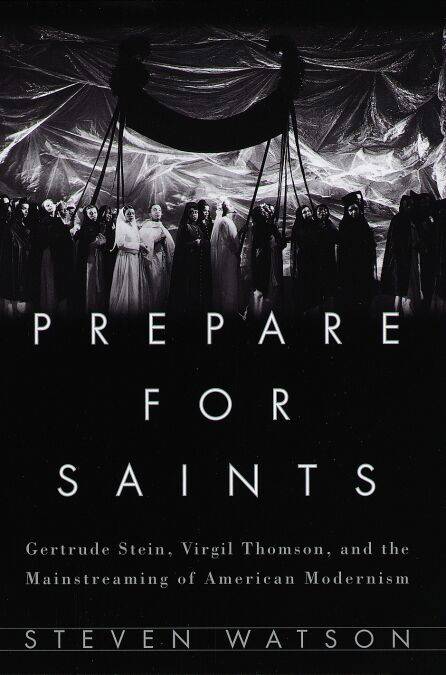
Prepare for Saints EBOOK
Gertrude Stein, Virgil Thomson, and the Mainstreaming of American Modernism
Steven Watson
Ebook | Anglais
5,77 €
+ 5 points
Description
Perhaps the oddest and most influential collaboration in the history of American modernism was hatched in 1926, when a young Virgil Thomson knocked on Gertrude Stein's door in Paris. Eight years later, their opera Four Saints in Three Acts became a sensation--the longest-running opera in Broadway history to date and the most widely reported cultural event of its time.
Four Saints was proclaimed the birth of a new art form, a cellophane fantasy, "cubism on stage." It swept the public imagination, inspiring new art and new language, and defied every convention of what an opera should be. Everything about it was revolution-ary: Stein's abstract text and Thomson's homespun music, the all-black cast, the costumes, and the com-bustible sets. Moving from the Wadsworth Atheneum to Broadway, Four Saints was the first popular modernist production. It brought modernism, with all its flamboyant outrage against convention, into the mainstream.
This is the story of how that opera came to be. It involves artists, writers, musicians, salon hostesses, and an underwear manufacturer with an appetite for publicity. The opera's success depended on a handful of Harvard-trained men who shaped America's first museums of modern art. The elaborately intertwined lives of the collaborators provide a window onto the pioneering generation that defined modern taste in America in the 1920s and 1930s.
A brilliant cultural historian with a talent for bringing the past to life, Steven Watson spent ten years researching and writing this book, interviewing many of the collaborators and performers. Prepare for Saints is the first book to describe this pivotal moment in American cultural history. It does so with a spirit and irreverence worthy of its subject.
NOTE: This edition does not include photographs.
Four Saints was proclaimed the birth of a new art form, a cellophane fantasy, "cubism on stage." It swept the public imagination, inspiring new art and new language, and defied every convention of what an opera should be. Everything about it was revolution-ary: Stein's abstract text and Thomson's homespun music, the all-black cast, the costumes, and the com-bustible sets. Moving from the Wadsworth Atheneum to Broadway, Four Saints was the first popular modernist production. It brought modernism, with all its flamboyant outrage against convention, into the mainstream.
This is the story of how that opera came to be. It involves artists, writers, musicians, salon hostesses, and an underwear manufacturer with an appetite for publicity. The opera's success depended on a handful of Harvard-trained men who shaped America's first museums of modern art. The elaborately intertwined lives of the collaborators provide a window onto the pioneering generation that defined modern taste in America in the 1920s and 1930s.
A brilliant cultural historian with a talent for bringing the past to life, Steven Watson spent ten years researching and writing this book, interviewing many of the collaborators and performers. Prepare for Saints is the first book to describe this pivotal moment in American cultural history. It does so with a spirit and irreverence worthy of its subject.
NOTE: This edition does not include photographs.
Spécifications
Parties prenantes
- Auteur(s) :
- Editeur:
Contenu
- Nombre de pages :
- 400
- Langue:
- Anglais
Caractéristiques
- EAN:
- 9780307822734
- Date de parution :
- 04-09-12
- Format:
- Ebook
- Protection digitale:
- Adobe DRM
- Format numérique:
- ePub



Seulement chez Librairie Club
+ 5 points sur votre carte client de Librairie Club
Cadeau


Les avis
Nous publions uniquement les avis qui respectent les conditions requises. Consultez nos conditions pour les avis.