


En raison d'une grève chez bpost, des retards de livraison peuvent survenir. Besoin de quelque chose en urgence ? Optez pour un retrait en magasin ou rendez-vous dans une Librairie Club à proximité.
- Retrait en 2 heures
- Assortiment impressionnant
- Paiement sécurisé
- Toujours un magasin près de chez vous
En raison d'une grève chez bpost, des retards de livraison peuvent survenir. Besoin de quelque chose en urgence ? Optez pour un retrait en magasin ou rendez-vous dans une Librairie Club à proximité.
- Retrait en 2 heures
- Assortiment impressionnant
- Paiement sécurisé
- Toujours un magasin près de chez vous


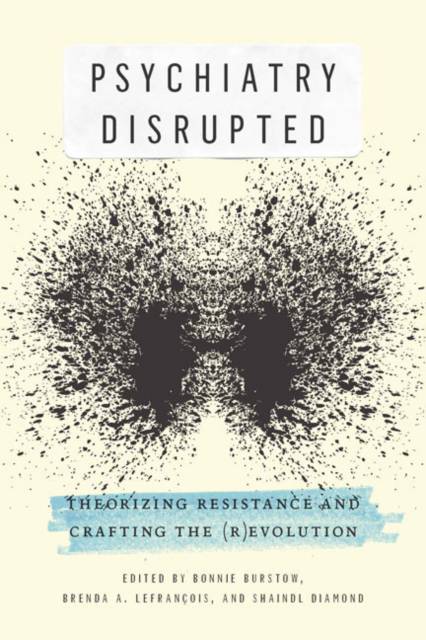
Psychiatry Disrupted
Theorizing Resistance and Crafting the (R)Evolution
Brenda A Lefrançois, Shaindl Diamond
Livre broché | Anglais
55,45 €
+ 110 points
Description
There is growing international resistance to the oppressiveness of psychiatry. While previous studies have critiqued psychiatry, Psychiatry Disrupted goes beyond theorizing what is wrong with it to theorizing how we might stop it. Introducing readers to the arguments and rationale for opposing psychiatry, the book combines perspectives from anti-psychiatry and critical psychiatry activism, mad activism, antiracist, critical, and radical disability studies, as well as feminist, Marxist, and anarchist thought. The editors and contributors are activists and academics - adult education and social work professors, psychologists, prominent leaders in the psychiatric survivor movement, and artists - from across Canada, England, and the United States. From chapters discussing feminist opposition to the medicalization of human experience, to the links between psychiatry and neo-liberalism, to internal tensions within the various movements and different identities from which people organize, the collection theorizes psychiatry while contributing to a range of scholarship and presenting a comprehensive overview of resistance to psychiatry in the academy and in the community. Contributors include Simon Adam (University of Toronto), Rosemary Barnes University of Toronto, Peter Beresford (Brunel University), Bonnie Burstow (University of Toronto), Chris Chapman (York University), Mark Cresswell (Durham University), Shaindl Diamond (York University), Chava Finkler (Memorial University), Ambrose Kirby (therapist in private practice, Brenda A. LeFrançois (Memorial University of Newfoundland), Mick McKeown (University of Central Lancashire), Robert Menzies (Simon Fraser University), China Mills (Oxford University), Tina Minkowitz (World Network of Users and Survivors of Psychiatry), Ian Parker (University of Leicester), Susan Schellenberg, Helen Spandler (University of Central Lancashire), and AJ Withers (York University). A courageous anthology, Psychiatry Disrupted is a timely work that asks compelling activist questions that no other book in the field touches.
Spécifications
Parties prenantes
- Auteur(s) :
- Editeur:
Contenu
- Nombre de pages :
- 296
- Langue:
- Anglais
Caractéristiques
- EAN:
- 9780773543300
- Date de parution :
- 15-08-14
- Format:
- Livre broché
- Format numérique:
- Trade paperback (VS)
- Dimensions :
- 152 mm x 230 mm
- Poids :
- 444 g


Seulement chez Librairie Club
+ 110 points sur votre carte client de Librairie Club
Cadeau


Les avis
Nous publions uniquement les avis qui respectent les conditions requises. Consultez nos conditions pour les avis.