


Nous rencontrons actuellement des difficultés pour activer les ebooks. Par conséquent, la mise à disposition des ebooks que vous avez achetés pourrait prendre un peu plus de temps. Vous recevrez automatiquement un message dès que ce sera fait.
- Retrait en 2 heures
- Assortiment impressionnant
- Paiement sécurisé
- Toujours un magasin près de chez vous
Nous rencontrons actuellement des difficultés pour activer les ebooks. Par conséquent, la mise à disposition des ebooks que vous avez achetés pourrait prendre un peu plus de temps. Vous recevrez automatiquement un message dès que ce sera fait.
- Retrait en 2 heures
- Assortiment impressionnant
- Paiement sécurisé
- Toujours un magasin près de chez vous



Description
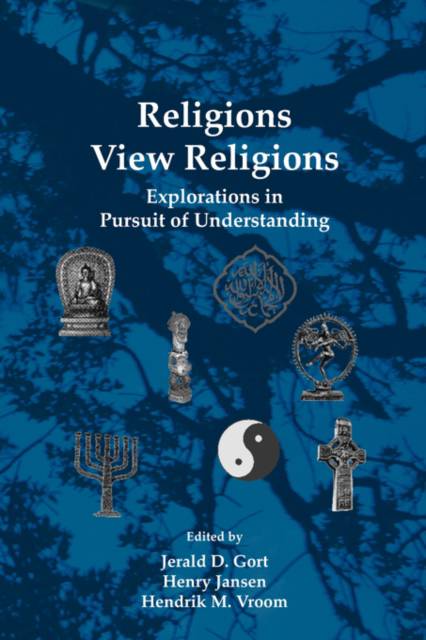
Because religion is so central to the lives and experience of the vast majority of people throughout the world, it figures very prominently in a variety of ways in interhuman relations. Unfortunately, 'religion' often appears to be one of the potent sources of mistrust, discord and strife between and among individuals, groups and cultures. What frequently lies at the root of such suspicion and dissension is general ignorance concerning the religious other, a lack of knowledge about his or her beliefs, aspirations and views of the good and morally honorable life. And even if people have some factual knowledge about other religions, they regularly display little understanding of them and their adherents. Learning both to know and understand people of other faiths and their religions is absolutely requisite to the realization of paradigms of coherent and intelligent 'convivance, ' that is, living together in sensible, peaceable and cooperative harmony.
An effective agency for fostering such knowledge and understanding is the discipline of theology of religions, which examines how religions have and ought to view other religions. And it is particularly the practice of comparative theology of religions which bears the most promise in this regard. The present symposium consists of precisely this kind of comparative exercise and may be viewed as an important contribution to the development of a new project which endeavors to enlarge the horizon and broaden the focus and reflection of theology of religions as that has been gradually developed during the last few decades, a new enterprise, in other words, which seeks to universalize and mutualize theology-of-religions discourse.
One of the important things this volume shows is that the views religions have of other religions differ from one another in very substantial ways, which is explained by the fact that they derive from diverging paradigms of faith, belief and ritual and specific cultural and social contexts. This textbook demonstrates how strongly different Hindu, Buddhist, Shinto and Confucian views are from those of Islam, Judaism and Christianity, which latter in turn also exhibit considerable differences among themselves. These differences are greater than people immersed in their own cultures often realize or expect. It is becoming ever more clear that ignorance of or disinclination to acknowledge or refusal to accept these real differences constitute major root causes of serious conflicts in the world.
The essays in this book, written by representatives of the major world religions, offer descriptive and/or prescriptive appraisals of other religions in general or one other religion in particular from the perspective of the religion of the author concerned. It is hoped that this unique exercise in intercultural theology of religions will generate insights and new forms of understanding which can be used by religious leaders and other educators to help correct the disposition toward religious haughtiness, insularity and communalism and the dangerous leanings toward interreligious suspicion, antipathy and animosity which are all too often evident in our contemporary societies.
An effective agency for fostering such knowledge and understanding is the discipline of theology of religions, which examines how religions have and ought to view other religions. And it is particularly the practice of comparative theology of religions which bears the most promise in this regard. The present symposium consists of precisely this kind of comparative exercise and may be viewed as an important contribution to the development of a new project which endeavors to enlarge the horizon and broaden the focus and reflection of theology of religions as that has been gradually developed during the last few decades, a new enterprise, in other words, which seeks to universalize and mutualize theology-of-religions discourse.
One of the important things this volume shows is that the views religions have of other religions differ from one another in very substantial ways, which is explained by the fact that they derive from diverging paradigms of faith, belief and ritual and specific cultural and social contexts. This textbook demonstrates how strongly different Hindu, Buddhist, Shinto and Confucian views are from those of Islam, Judaism and Christianity, which latter in turn also exhibit considerable differences among themselves. These differences are greater than people immersed in their own cultures often realize or expect. It is becoming ever more clear that ignorance of or disinclination to acknowledge or refusal to accept these real differences constitute major root causes of serious conflicts in the world.
The essays in this book, written by representatives of the major world religions, offer descriptive and/or prescriptive appraisals of other religions in general or one other religion in particular from the perspective of the religion of the author concerned. It is hoped that this unique exercise in intercultural theology of religions will generate insights and new forms of understanding which can be used by religious leaders and other educators to help correct the disposition toward religious haughtiness, insularity and communalism and the dangerous leanings toward interreligious suspicion, antipathy and animosity which are all too often evident in our contemporary societies.
Spécifications
Parties prenantes
- Auteur(s) :
- Editeur:
Contenu
- Nombre de pages :
- 372
- Langue:
- Anglais
- Collection :
- Tome:
- n° 25
Caractéristiques
- EAN:
- 9789042018587
- Date de parution :
- 01-01-06
- Format:
- Livre broché
- Format numérique:
- Trade paperback (VS)
- Dimensions :
- 152 mm x 229 mm
- Poids :
- 562 g



Seulement chez Librairie Club
Cadeau


Les avis
Nous publions uniquement les avis qui respectent les conditions requises. Consultez nos conditions pour les avis.