


- Retrait en 2 heures
- Assortiment impressionnant
- Paiement sécurisé
- Toujours un magasin près de chez vous
- Retrait en 2 heures
- Assortiment impressionnant
- Paiement sécurisé
- Toujours un magasin près de chez vous



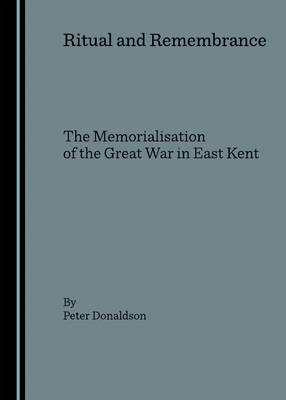
Ritual and Remembrance
The Memorialisation of the Great War in East Kent
Peter Donaldson
Livre relié | Anglais
99,95 €
+ 199 points
Description
This book seeks to explore the spate of memorial construction that took place at civic and local level in the immediate aftermath of the Great War. At the heart of the work lies an examination of the layering of memory in this commemorative activity as the war dead were remembered in their various different roles, as citizens, work colleagues, school alumni, club members, parishioners, regimental comrades and, of course, fathers, husbands and sons. The study concentrates on the major urban centres of Canterbury, Folkestone and Dover, each of which experienced something of a revival during the war years and sought to perpetuate this renewed standing through the rituals of remembrance. Yet, though the focus is on the conflicts and compromises that underpinned communal commemoration, sight is not lost of the private tragedies that lay at the heart of collective remembrance. In uncovering the process by which local dignitaries actively sought the participation of the bereaved in the rites of constructing a war memorial, not least through the compilation of the names of the fallen, an impression of the almost palpable sense of sorrow that pervaded society in the immediate aftermath of the fighting is captured. It is the impact of these conflicting claims, the tension that existed within this complex matrix of remembrance and the extent to which the memory of the fallen was shaped by the demands of competing schemes that forms the basis of this study. In particular the focus falls on the memorialisation process itself, the debates over form and style, the rituals of naming and financing and the ceremonies for unveiling and dedication, for it was in this often lengthy and convoluted process that those in authority could assume control over the rites of mourning and transform private grief into a public narrative.
Spécifications
Parties prenantes
- Auteur(s) :
- Editeur:
Contenu
- Nombre de pages :
- 221
- Langue:
- Anglais
Caractéristiques
- EAN:
- 9781847180230
- Date de parution :
- 31-07-06
- Format:
- Livre relié
- Format numérique:
- Genaaid
- Dimensions :
- 145 mm x 203 mm
- Poids :
- 204 g


Seulement chez Librairie Club
+ 199 points sur votre carte client de Librairie Club
Cadeau


Les avis
Nous publions uniquement les avis qui respectent les conditions requises. Consultez nos conditions pour les avis.