


- Retrait en 2 heures
- Assortiment impressionnant
- Paiement sécurisé
- Toujours un magasin près de chez vous
- Retrait gratuit dans votre magasin Club
- 7.000.0000 titres dans notre catalogue
- Payer en toute sécurité
- Toujours un magasin près de chez vous



Description
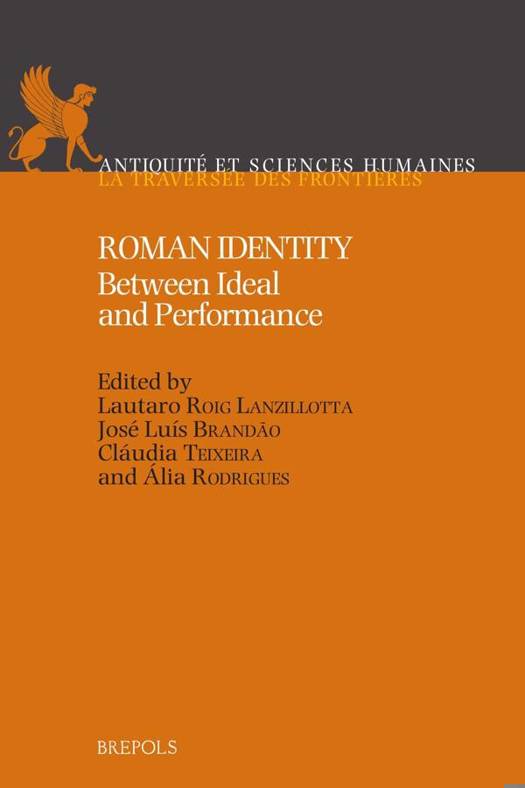
Recent years have seen a significant increase in (in)voluntary migratory movements. Due to economic, political, or climatologic reasons large numbers of individuals move from their countries of origin and settle in new environments and societies. As a result, (national) identity has played an increasing role in political discourse; it has shaped and reshaped national agendas, it had an impact on policies and influenced voting behaviours. The discourse on national identities is often motivated by the idea of autochthony. Yet we do not encounter this anxiety in ancient Rome, one of the longest-lasting political orders in history. Unlike the Greeks, the idea of autochthony did not take root among the Romans. On the contrary: Rome's identity was fluid, accommodating the development of highly variegated and multi-ethnic groups and societies. The purpose of this volume is to understand how the Romans represented themselves and how others defined and regarded them. It aims to identify the various narratives that contributed to the construction of Roman self-representation by raising the following questions: What stories did Romans tell about themselves? How did they enact and perform their selfhood in biographic and autobiographical sources? How did Greek and Judean sources understand and define Roman identity? And, taken together, how did these narratives influence Roman self-perception? Rather than arguing for a monolithic or coherent understanding of Romanitas, this volume explores a variety of performances and manifestations of Roman identity. It focuses both on sources where the self or the individual is the primary focus, and on more general texts dealing with specific elements related to Roman identity.
Spécifications
Parties prenantes
- Auteur(s) :
- Editeur:
Contenu
- Nombre de pages :
- 402
- Langue:
- Anglais
- Collection :
- Tome:
- n° 8
Caractéristiques
- EAN:
- 9782503599229
- Date de parution :
- 16-03-23
- Format:
- Livre broché
- Format numérique:
- Trade paperback (VS)
- Poids :
- 688 g


Seulement chez Librairie Club
+ 159 points sur votre carte client de Librairie Club
Cadeau

Cadeau


Les avis
Nous publions uniquement les avis qui respectent les conditions requises. Consultez nos conditions pour les avis.