


- Retrait en 2 heures
- Assortiment impressionnant
- Paiement sécurisé
- Toujours un magasin près de chez vous
- Retrait en 2 heures
- Assortiment impressionnant
- Paiement sécurisé
- Toujours un magasin près de chez vous



115,45 €
+ 230 points
Format
Description
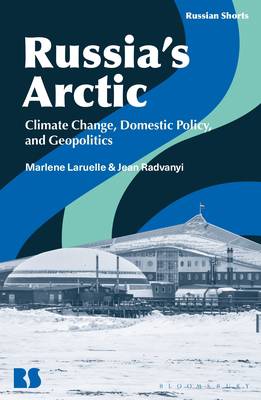
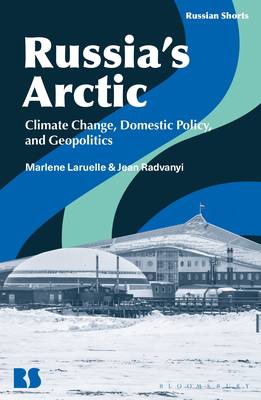
This book provides a comprehensive overview of Russia's Arctic policies since the 2022 war with Ukraine began. Covering geopolitical transformations, domestic evolutions and the role of climate change, it traces how, for around two decades, Russia has renewed its strategic interest in the Arctic region. It reflects on how, with more than half of the circumpolar territories, Russia's Arctic regions generate between 10 and 15% of Russia's GDP and a quarter of its exports, with the yet-to-be-explored reserves of the Arctic continental shelf also offering immense potential.
Russia's Arctic analyses the growth of hydrocarbon deposits in the far north of Siberia and nearby offshore areas and how this has contributed to the rapid development of the Northern Sea Route. Marlene Laruelle and Jean Radvanyi examine the tremendous long-term importance of the region for Russia, regardless of internal political developments and the state of relations with the West. Long a place for science diplomacy and transborder dialogue, the region has once again become a hotspot for geostrategic tensions and a new interface between an expanded NATO and Russia. While the West is imposing increasingly broad sanctions specifically targeting Arctic hydrocarbon development projects, the Russian government is striving to circumvent or mitigate their effects with countermeasures by relying on their allies, most of whom are Asian. Laruelle and Radvanyi convincingly contend that Russian Arctic development policy must take into account the economic needs of the Russian budget and the geopolitical realities of decoupling from the West and pivoting towards the so-called 'Global South'. Additionally, it must consider the heavy legacies of the past in terms of population, infrastructure, and pollution, as well as future projections regarding the impact of climate change.Spécifications
Parties prenantes
- Auteur(s) :
- Editeur:
Contenu
- Nombre de pages :
- 160
- Langue:
- Anglais
- Collection :
Caractéristiques
- EAN:
- 9781350552579
- Date de parution :
- 22-01-26
- Format:
- Livre relié
- Format numérique:
- Genaaid
- Dimensions :
- 127 mm x 203 mm
- Poids :
- 281 g


Seulement chez Librairie Club
+ 230 points sur votre carte client de Librairie Club
Cadeau


Les avis
Nous publions uniquement les avis qui respectent les conditions requises. Consultez nos conditions pour les avis.