


- Retrait en 2 heures
- Assortiment impressionnant
- Paiement sécurisé
- Toujours un magasin près de chez vous
- Retrait en 2 heures
- Assortiment impressionnant
- Paiement sécurisé
- Toujours un magasin près de chez vous



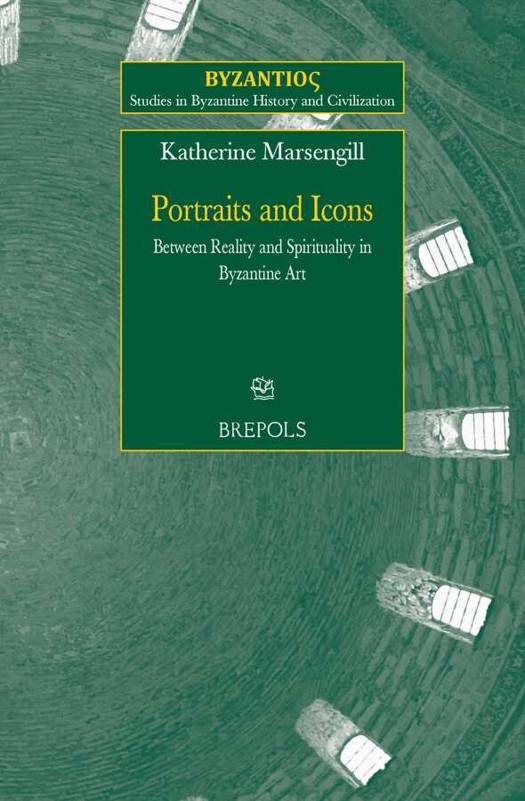
SBHC 05 Portraits and Icons: Between Reality and Spirituality inByzantine Art, Marsengill
Between Reality and Spirituality in Byzantine Art
Katherine Marsengill
106,00 €
+ 212 points
Description
This book examines the phenomena of portraits and icons, and spans from late antiquity through the end of the Byzantine period. Engaging a wide range of material, it addresses persistent themes in the creation of a distinctly Christianized portraiture while analyzing the cultural and theological perceptions that guided its reception. Christian Rome inherited from antiquity its traditions and beliefs regarding portraits. Though altered for its new Christian context, these perceptions did not disappear. This study proves that within Christian portraiture, the icon is not reserved for saints alone. Instead, one must imagine the Byzantine world as one where sacred and secular art intermingled, and portraits of Christ and the saints, emperors, bishops, and holy men existed side by side in visual messages of hierarchal authority. Indeed, in the portrayal of power and holiness, there existed a range of images that can be classified as icons. Certain individuals of high-ranking status, though not saints, were portrayed in ways that recall images of saints because their spiritual or divine authority ranked them closer to God.Their positions further up the hierarchy enabled them to help others in their spiritual ascent and daily needs. Viewers in turn understood these elevated members of their community to be efficacious intercessors and their portraits to be worthy of veneration.
Spécifications
Parties prenantes
- Auteur(s) :
- Editeur:
Contenu
- Nombre de pages :
- 474
- Langue:
- Anglais
- Collection :
- Tome:
- n° 5
Caractéristiques
- EAN:
- 9782503544045
- Date de parution :
- 05-11-13
- Format:
- Livre broché
- Format numérique:
- Trade paperback (VS)
- Dimensions :
- 160 mm x 234 mm
- Poids :
- 861 g


Seulement chez Librairie Club
+ 212 points sur votre carte client de Librairie Club
Cadeau


Les avis
Nous publions uniquement les avis qui respectent les conditions requises. Consultez nos conditions pour les avis.