


- Retrait en 2 heures
- Assortiment impressionnant
- Paiement sécurisé
- Toujours un magasin près de chez vous
- Retrait en 2 heures
- Assortiment impressionnant
- Paiement sécurisé
- Toujours un magasin près de chez vous



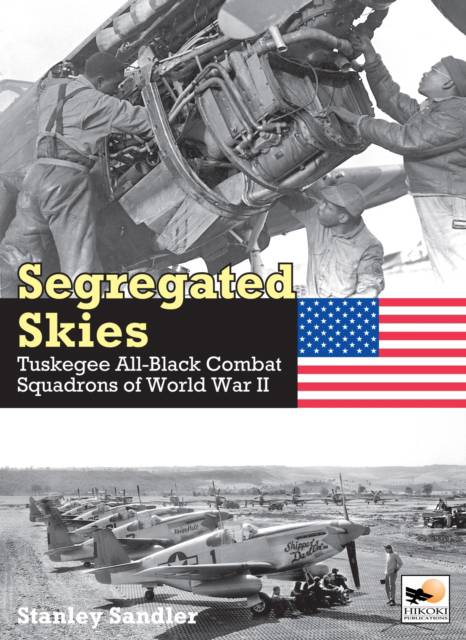
Segregated Skies
Tuskegee All-Black Combat Squadrons of World War 2
Stanley Sandler
Livre relié | Anglais
48,95 €
+ 97 points
Description
This is a welcome reissue on what is a definitive account of the formation and operation of the segregated all black US squadrons which served in the Second World War.
The Tuskegee airmen as they came to be called took their name from Tuskegee Institute (now University) where they were educated, which was located near Tuskegee Alabama. Many of these first African-American military aviators in the United States Armed Forces came from states where blacks were still subject to the Jim Crow Laws. The American military was racially segregated, as was much of the federal government and the Tuskegee Airmen were frequently subjected to discrimination, both within and outside of the army.
The book goes into much detail on decisions made and not made at the highest military and civilian levels in wartime Washington as to the founding, use and value of a racially-segregated all-Black fighter squadrons. In the end, a decision had to be between a Black squadron or no Black squadron at all. The resultant 99th Fighter Squadron and the follow-on 100th, 201st and 203rd squadrons were decisive in opening the way for full US military integration a full decade before America's civilian society began to go the same way.
This account of these squadrons examines the background to their formation, their training and operations in theatre. The book is based on interviews with many of the Tuskegee Airmen themselves. This is supported by research in USAF archives. The work deals not just with the pilots and their warplanes in battle but also with their everyday life on air bases in the segregated Deep South and in the field in wartime Italy.
The Tuskegee airmen as they came to be called took their name from Tuskegee Institute (now University) where they were educated, which was located near Tuskegee Alabama. Many of these first African-American military aviators in the United States Armed Forces came from states where blacks were still subject to the Jim Crow Laws. The American military was racially segregated, as was much of the federal government and the Tuskegee Airmen were frequently subjected to discrimination, both within and outside of the army.
The book goes into much detail on decisions made and not made at the highest military and civilian levels in wartime Washington as to the founding, use and value of a racially-segregated all-Black fighter squadrons. In the end, a decision had to be between a Black squadron or no Black squadron at all. The resultant 99th Fighter Squadron and the follow-on 100th, 201st and 203rd squadrons were decisive in opening the way for full US military integration a full decade before America's civilian society began to go the same way.
This account of these squadrons examines the background to their formation, their training and operations in theatre. The book is based on interviews with many of the Tuskegee Airmen themselves. This is supported by research in USAF archives. The work deals not just with the pilots and their warplanes in battle but also with their everyday life on air bases in the segregated Deep South and in the field in wartime Italy.
Spécifications
Parties prenantes
- Auteur(s) :
- Editeur:
Contenu
- Nombre de pages :
- 296
- Langue:
- Anglais
Caractéristiques
- EAN:
- 9781800353114
- Date de parution :
- 31-08-26
- Format:
- Livre relié
- Format numérique:
- Genaaid
- Dimensions :
- 210 mm x 297 mm


Seulement chez Librairie Club
+ 97 points sur votre carte client de Librairie Club
Cadeau


Les avis
Nous publions uniquement les avis qui respectent les conditions requises. Consultez nos conditions pour les avis.