


- Retrait en 2 heures
- Assortiment impressionnant
- Paiement sécurisé
- Toujours un magasin près de chez vous
- Retrait gratuit dans votre magasin Club
- 7.000.0000 titres dans notre catalogue
- Payer en toute sécurité
- Toujours un magasin près de chez vous


Description
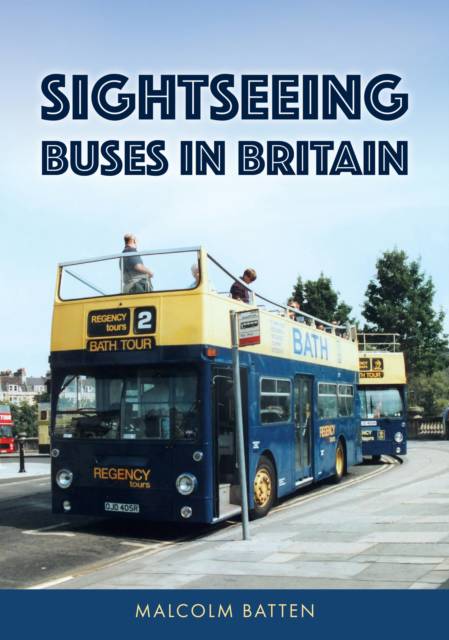
While bus services in Britain have generally been in decline since the heady days of the early 1950s due to a combination of changes in work and leisure patterns, plus the vast increase in car ownership, there has been one area of bus operation that has seen significant growth. A boom in overseas tourists visiting Britain's historic towns and cities and the advent of cheap long-haul flights, the emergence of budget European airlines and the opening of the Channel Tunnel has meant sightseeing tour buses have become very popular. Bus companies started to offer tours of popular towns and cities, often using open-top buses. This idea was not new. London Transport had an existing Round London Sightseeing Tour which had been introduced in 1951 for the Festival of Britain. Initially this was a relatively low-key affair with a fixed non-stop route from just one starting point. In 1972 open-top buses were hired in as an experiment. This proved successful and services were expanded rapidly. In Scotland, Edinburgh Corporation Transport had a long tradition of sightseeing tours using coaches and later open-top buses. Elsewhere, sightseeing tours took off in such locations as Stratford-upon-Avon, York, Oxford and Cambridge. As tourists came all year round it became viable to operate separate vehicles and sometimes invest in new buses. Deregulation of coach services from 1980 and bus services from 1985 allowed new operators to compete in the busier locations and also introduce new innovations. These included hop-on-hop-off tours, and tours with taped commentaries in a variety of languages. New specialist companies began to emerge. Guide Friday stated up in a small way in Stratford-upon-Avon and spread nationwide. They were replaced by the City Sightseeing brand started by Ensignbus which operates internationally. This book features a selection of these operations since the 1970s.
Spécifications
Parties prenantes
- Auteur(s) :
- Editeur:
Contenu
- Nombre de pages :
- 96
- Langue:
- Anglais
Caractéristiques
- EAN:
- 9781398122994
- Date de parution :
- 15-09-25
- Format:
- Livre broché
- Format numérique:
- Trade paperback (VS)
- Dimensions :
- 165 mm x 234 mm
- Poids :
- 310 g


Seulement chez Librairie Club
+ 44 points sur votre carte client de Librairie Club

Les avis
Nous publions uniquement les avis qui respectent les conditions requises. Consultez nos conditions pour les avis.