


- Retrait en 2 heures
- Assortiment impressionnant
- Paiement sécurisé
- Toujours un magasin près de chez vous
- Retrait en 2 heures
- Assortiment impressionnant
- Paiement sécurisé
- Toujours un magasin près de chez vous



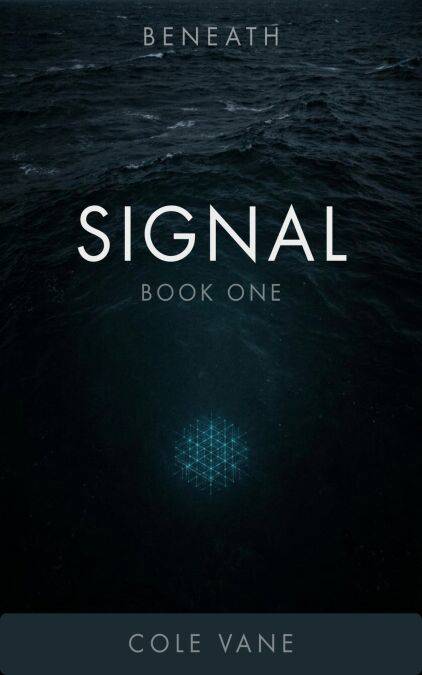
Description
Dr. Mara Voss is thirty-eight years old, a marine geophysicist at a small Norwegian institute, and the most overlooked member of her field. For twelve years she has reviewed sonar data that other people have already cleared — quietly, methodically, finding the things they missed. Her colleagues consider this a pathology. She considers it a calling. Mostly, no one notices either way.
Then, at two in the morning on a research vessel above the Mohns Ridge, she finds a pattern in the noise of a routine survey. Faint. Regular. Responsive. When she tests it with a deliberate sonar pulse, something at four thousand metres depth replies — not in the way an artifact would reply, but in the way an answer does.
She does not panic. She makes coffee. She runs the analysis again. And then she calls the only person she trusts: Yuna, a translator whose work on extinct languages has prepared her, by accident, for a problem no human linguist has ever faced.
What follows is a quiet, procedural descent — through the institutional silence that meets Mara's first inquiries, through the disappearance of a North Sea oil rig that was never supposed to be there, through the realisation that the signal in the water is not new. It has been there since 2019. Humanity sent the first reply by accident, during a routine instrument calibration, and the species at the other end of the conversation has been waiting, with eight hundred million years of patience, for someone on the surface to listen.
SIGNAL is Book One of the BENEATH trilogy: a slow-burn first-contact novel about deep-ocean civilisations, the costs of being right about something no one wants to believe, and what it actually feels like — administratively, scientifically, personally — to be the first human to know that humanity was never alone.
Spécifications
Parties prenantes
- Auteur(s) :
- Editeur:
Contenu
- Langue:
- Anglais
- Collection :
Caractéristiques
- EAN:
- 9789916438923
- Date de parution :
- 18-05-2026
- Format:
- Ebook
- Protection digitale:
- /
- Format numérique:
- ePub


Seulement chez Librairie Club
+ 4 points sur votre carte client de Librairie Club
Cadeau


Les avis
Nous publions uniquement les avis qui respectent les conditions requises. Consultez nos conditions pour les avis.