


- Retrait en 2 heures
- Assortiment impressionnant
- Paiement sécurisé
- Toujours un magasin près de chez vous
- Retrait en 2 heures
- Assortiment impressionnant
- Paiement sécurisé
- Toujours un magasin près de chez vous



Description
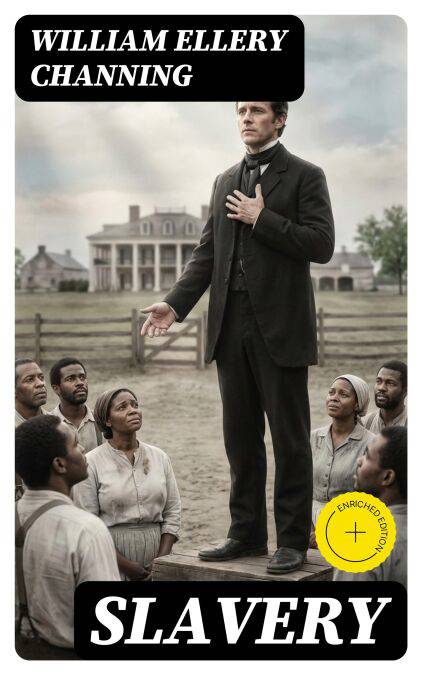
In "Slavery," William Ellery Channing delivers a profound and impassioned critique of the institution of slavery, articulating the moral, philosophical, and humanitarian arguments against this entrenched practice. Written in the early 19th century, Channing's prose is characterized by its clarity, fervor, and ethical conviction, reflecting the transcendentalist influence of the time while confronting the socio-political structures that perpetuate human bondage. The book serves as a significant contribution to abolitionist literature, employing both reasoned argument and emotive rhetoric to engage readers on both intellectual and moral planes, effectively challenging the complacency surrounding slavery. Channing, an influential Unitarian minister and social reformer, was deeply engaged with the ethical issues of his day. His theological background informed his views on the inherent dignity of all individuals, prompting him to address the urgent matter of slavery with a blend of moral philosophy and religious conviction. This deep-seated commitment to social justice and human rights was fueled by the prevailing abolitionist sentiments of his time, positioning him uniquely to write a powerful defense of freedom and equality. This book is essential reading for those who seek to understand the historical context of America's struggle with slavery and the moral imperatives that drove abolitionist thought. Channing's insightful arguments resonate with contemporary discussions about justice and human rights, making "Slavery" not only a pivotal work in American literature but also a timeless call to conscience for readers today.
In this enriched edition, we have carefully created added value for your reading experience:
- A succinct Introduction situates the work's timeless appeal and themes.
- The Synopsis outlines the central plot, highlighting key developments without spoiling critical twists.
- A detailed Historical Context immerses you in the era's events and influences that shaped the writing.
- A thorough Analysis dissects symbols, motifs, and character arcs to unearth underlying meanings.
- Reflection questions prompt you to engage personally with the work's messages, connecting them to modern life.
- Hand‐picked Memorable Quotes shine a spotlight on moments of literary brilliance.
- Interactive footnotes clarify unusual references, historical allusions, and archaic phrases for an effortless, more informed read.
In this enriched edition, we have carefully created added value for your reading experience:
- A succinct Introduction situates the work's timeless appeal and themes.
- The Synopsis outlines the central plot, highlighting key developments without spoiling critical twists.
- A detailed Historical Context immerses you in the era's events and influences that shaped the writing.
- A thorough Analysis dissects symbols, motifs, and character arcs to unearth underlying meanings.
- Reflection questions prompt you to engage personally with the work's messages, connecting them to modern life.
- Hand‐picked Memorable Quotes shine a spotlight on moments of literary brilliance.
- Interactive footnotes clarify unusual references, historical allusions, and archaic phrases for an effortless, more informed read.
Spécifications
Parties prenantes
- Auteur(s) :
- Editeur:
Contenu
- Nombre de pages :
- 98
- Langue:
- Anglais
Caractéristiques
- EAN:
- 8596547368083
- Date de parution :
- 15-09-22
- Format:
- Ebook
- Protection digitale:
- Digital watermarking
- Format numérique:
- ePub



Seulement chez Librairie Club
+ 1 points sur votre carte client de Librairie Club
Cadeau


Les avis
Nous publions uniquement les avis qui respectent les conditions requises. Consultez nos conditions pour les avis.